
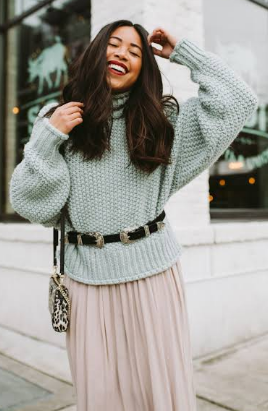
Winter Outfit for Women: Stylish and Comfortable Ideas for Cold Weather
Finding the right winter outfit for women means balancing warmth, comfort, practicality, and personal style. Cold weather does not mean giving up on fashion or wearing the same heavy layers every day. With the right combination of sweaters, coats, trousers, dresses, boots, and accessories, women can create outfits that work for casual activities, professional settings, travel, social events, and outdoor occasions. The key is understanding how different clothing pieces work together and selecting fabrics and layers according to the weather. A well-planned winter wardrobe can provide plenty of outfit combinations while keeping the body protected from low temperatures, wind, and moisture.
Understanding Winter Fashion for Women
Winter fashion offers many opportunities to experiment with layers, textures, colors, and silhouettes. Unlike warmer seasons, cold-weather clothing often includes several pieces, which makes coordination particularly important.
A winter wardrobe can include basic thermal layers, knit sweaters, cardigans, coats, jackets, trousers, skirts, dresses, boots, scarves, gloves, and hats. Each piece can serve a practical purpose while contributing to the overall appearance.
The best outfits depend on climate and lifestyle. Someone living in a mild winter region may need only a light jacket and sweater, while someone experiencing freezing temperatures may require insulated outerwear and several layers.
Comfort should always be considered alongside appearance. Clothes that allow easy movement and appropriate layering are generally more useful for everyday winter activities.
Essential Winter Clothing Pieces
A few dependable clothing pieces can serve as the foundation of a versatile cold-weather wardrobe. A warm coat is one of the most important investments. Wool coats can create a sophisticated appearance, while puffer jackets and insulated parkas are useful for colder environments.
Sweaters are another essential. Turtlenecks, cable-knit sweaters, cardigans, and fitted pullovers can be worn with trousers, skirts, jeans, or layered beneath coats.
A pair of well-fitting trousers can provide a practical base for many outfits. Jeans, wool trousers, corduroy pants, and wide-leg styles can all work well during winter.
Dresses should not be overlooked. Sweater dresses, long-sleeve midi dresses, and heavier fabrics can be worn with tights and boots to create comfortable seasonal looks.
The Importance of Layering
Layering allows women to adapt their clothing to changing temperatures throughout the day. Instead of depending on one extremely heavy garment, several layers can provide warmth while maintaining flexibility.
A lightweight base layer can help retain warmth close to the body. Thermal tops are particularly useful in colder conditions. A sweater or cardigan can serve as the middle layer, while a coat or jacket protects against outdoor weather.
Layering is also useful when moving between indoor and outdoor environments. A thick coat may be necessary outside but uncomfortable inside a heated office, restaurant, or shopping center. Removable layers solve this problem.
The key is to avoid excessive bulk. Thin thermal clothing combined with a medium-weight sweater and well-designed outerwear can provide warmth without making movement difficult.
Casual Winter Outfit Ideas
Casual winter dressing can be both comfortable and stylish. A chunky sweater with straight-leg jeans and ankle boots is an easy combination for everyday activities.
For a more relaxed appearance, a hoodie can be paired with wide-leg trousers, leggings, or casual denim. A padded jacket or parka can provide warmth without making the outfit feel overly formal.
Layering a long coat over a simple sweater and jeans can instantly create a more polished appearance. A scarf can add texture and additional warmth.
Neutral colors such as black, gray, cream, beige, navy, and brown are easy to coordinate. Adding one brighter accessory can introduce personality without making the outfit difficult to style.
Winter Workwear for Women
Professional winter clothing should combine warmth with a polished appearance. Tailored trousers, knit tops, structured blazers, midi skirts, and wool coats can create sophisticated workwear.
A fitted turtleneck underneath a blazer is a practical alternative to a traditional blouse during colder months. It can be paired with tailored trousers and ankle boots for a clean professional appearance.
Knit dresses can also work well in professional environments. A midi-length style combined with tights, boots, and a structured coat can provide warmth without appearing too casual.
Outerwear should complement professional clothing. A tailored wool coat can work especially well over office outfits and can transition easily from commuting to meetings or evening activities.
Winter Dresses and Skirts
Women do not need to avoid dresses and skirts during winter. The right combination of layers and accessories can make them suitable for cold weather.
Midi dresses are particularly versatile because they provide more coverage than shorter styles. Sweater dresses offer warmth and can be paired with knee-high boots or ankle boots.
Tights are useful for adding insulation when wearing skirts or dresses. For colder conditions, thicker tights can provide additional protection.
Long skirts can also create elegant winter outfits when paired with sweaters, fitted coats, or boots. Choosing heavier fabrics such as wool blends or textured materials can make these pieces more suitable for cold temperatures.
Choosing Winter Coats and Jackets
Outerwear often becomes the most visible part of a winter wardrobe, making the choice of coat particularly important. Different styles serve different purposes.
Wool coats are suitable for polished and professional outfits. Trench-style winter coats can provide a structured appearance, while puffer jackets offer greater insulation for cold conditions.
Parkas are useful for outdoor activities because they often provide additional protection around the neck and hood areas. Short jackets can work well for casual outfits and provide greater freedom of movement.
The length of the coat should also be considered. Longer coats provide more coverage, while shorter styles can be more convenient for active lifestyles.
Winter Footwear for Women
Footwear needs to provide both comfort and protection. Ankle boots are among the most versatile options because they can be paired with jeans, trousers, dresses, and skirts.
Knee-high boots can provide additional warmth and work particularly well with dresses and skirts. For snowy or rainy conditions, waterproof boots may be more practical.
Sneakers can still be worn during mild winter weather, especially with casual outfits. However, they may not provide sufficient insulation or traction in wet, icy, or snowy conditions.
Warm socks should also be considered. Wool and thermal socks can help keep feet comfortable when temperatures drop significantly.
Winter Accessories
Accessories can improve both the practicality and appearance of a winter outfit. Scarves are particularly useful because they protect the neck from cold air while adding color and texture.
Gloves protect the hands and can range from casual knitted styles to polished leather designs. Hats and beanies can help retain warmth while completing a seasonal outfit.
Belts can be used over coats, sweaters, or dresses to define the waist and create a more structured silhouette. Handbags can also contribute to the overall appearance.
The best approach is to choose accessories that coordinate with the existing wardrobe rather than purchasing separate accessories for every outfit.
Colors and Textures for Winter
Winter clothing often looks particularly attractive when different textures are combined. A smooth wool coat can be paired with a chunky knit sweater, leather boots, and a soft scarf to create visual contrast.
Popular winter colors include burgundy, forest green, navy, charcoal, cream, camel, chocolate brown, and black. These shades can easily be combined with neutral basics.
Women who prefer brighter colors can introduce them through sweaters, scarves, handbags, or hats. A colorful accessory can transform a simple neutral outfit without requiring major changes to the wardrobe.
Texture is equally important. Knitwear, suede, wool, corduroy, leather, and velvet can add depth to winter clothing.
Dressing for Different Winter Occasions
Different activities require different approaches to cold-weather dressing. For shopping or casual outings, comfortable trousers, sweaters, boots, and a warm jacket may be sufficient.
For dinner or social events, a sweater dress, tailored trousers, elegant boots, and a structured coat can create a more sophisticated appearance.
Professional environments may require tailored trousers, blazers, knit tops, and formal coats. Outdoor activities require greater emphasis on insulation, weather protection, and footwear.
Travel requires versatile layers that can be easily removed or added. Choosing coordinated pieces allows several outfits to be created without carrying excessive luggage.
Key Points to Remember
A successful winter wardrobe should combine practical protection with personal style. Layering makes it easier to adjust to changing temperatures, while suitable fabrics provide warmth and comfort.
Coats and jackets should be selected according to the local climate and daily routine. Footwear should provide adequate traction and protection, particularly in wet or snowy conditions.
Neutral clothing creates a versatile foundation, while seasonal colors and accessories can add personality. Women do not need a large wardrobe to create different winter looks. A small collection of well-chosen pieces can be combined in numerous ways.
Tips for Creating Stylish Winter Looks
Begin with versatile basics such as a quality coat, comfortable boots, several sweaters, neutral trousers, and layering tops. These pieces can form the foundation of many outfits.
Experiment with proportions. A fitted sweater can balance wide-leg trousers, while an oversized coat can work well with a streamlined outfit underneath.
Use accessories strategically. A scarf, belt, handbag, or pair of statement earrings can make a simple outfit feel more polished.
Consider the weather before choosing an outfit. Fashion should not come at the expense of warmth or comfort, especial
Pingback: Winter Chic Outfits: Elegant and Stylish Ideas for Cold Weather - Discourse Wave