
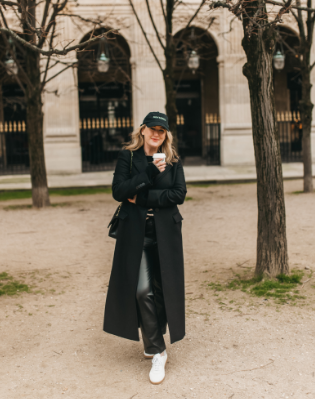
Winter Fashion Ladies: Stylish Ideas for a Comfortable Cold Weather Wardrobe
Winter is an excellent season for experimenting with layers, textures, colors, and different silhouettes. Modern winter fashion ladies can include everything from cozy knitwear and elegant coats to practical boots, tailored trousers, and stylish accessories. The goal is to create outfits that provide enough warmth while still expressing individual personality. A well-planned winter wardrobe does not need to contain dozens of pieces. With a few versatile essentials and thoughtful styling, women can create casual, professional, elegant, and everyday outfits suitable for different winter occasions.
Understanding Winter Fashion for Women
Cold-weather dressing is mainly about combining practical clothing with personal style. Unlike warm-weather outfits, winter looks often involve several layers, making it possible to adapt to changing temperatures throughout the day.
A basic winter wardrobe can include a warm coat, sweaters, long-sleeved tops, jeans, trousers, dresses, boots, scarves, and other accessories. Neutral shades make these pieces easy to coordinate, while seasonal colors can add variety.
The best winter wardrobe is one that matches both the local climate and the wearer’s lifestyle. Someone living in a mild winter environment may need lighter layers, while colder regions require insulated outerwear and warmer accessories.
Essential Winter Coats
A good coat can become the foundation of many winter outfits. Long wool coats provide a polished appearance and can be worn with trousers, jeans, skirts, or dresses.
Puffer jackets are practical for colder conditions and work especially well with casual clothing. Short padded jackets can be paired with high-waisted jeans or trousers, while longer versions provide additional coverage.
Belted coats can create a defined silhouette, while oversized coats provide a relaxed contemporary appearance. Choosing outerwear in versatile colors such as black, camel, gray, navy, or beige makes it easier to combine with the rest of the wardrobe.
Sweaters and Knitwear
Knitwear is one of the most important elements of a winter wardrobe. Chunky sweaters provide warmth and create a comfortable casual appearance, while fine-knit sweaters can look more refined.
Turtlenecks are particularly useful because they can be worn underneath coats, blazers, dresses, and jackets. Cardigans provide another flexible layering option and can be worn over shirts or fitted tops.
Oversized sweaters can be paired with straight-leg jeans or fitted trousers to create balanced proportions. A fitted sweater can work well with wide-leg trousers or flowing skirts.
Layering for Comfort and Style
Layering allows women to adjust their outfits according to temperature while creating visual depth. A lightweight thermal top can serve as a base layer, followed by a shirt or sweater and a coat.
Combining different lengths can make layered outfits more interesting. A longer shirt beneath a shorter sweater can create contrast, while a long coat can provide a streamlined finish.
It is useful to avoid putting several extremely thick pieces together. Lightweight base layers and medium-weight knitwear can provide warmth without creating unnecessary bulk.
Winter Jeans and Trousers
Jeans remain a dependable choice for casual winter outfits. Straight-leg jeans offer a versatile silhouette, while wide-leg denim provides a relaxed contemporary appearance.
Dark denim can create a more sophisticated look and works particularly well with neutral coats and boots. Light denim can provide contrast against darker winter clothing.
Trousers offer more polished alternatives. Tailored trousers can be paired with fitted sweaters and long coats for work or social occasions. Wide-leg trousers can create an elegant silhouette when combined with shorter jackets or streamlined knitwear.
Dresses and Skirts for Winter
Women do not need to stop wearing dresses during winter. Knitted midi dresses are particularly useful because they combine warmth with a feminine silhouette.
Long-sleeved dresses can be styled with tights, boots, and warm coats. Sweater dresses can be paired with knee-high boots for a polished appearance or ankle boots for a more casual outfit.
Skirts can also be adapted for cold weather. Midi and maxi skirts can be worn with tights, sweaters, and long coats. Mixing soft knitwear with structured outerwear can create an attractive contrast.
Choosing the Right Winter Footwear
Winter footwear needs to balance appearance, comfort, and practicality. Ankle boots are among the most versatile choices because they can be worn with jeans, trousers, dresses, and skirts.
Knee-high boots create a polished appearance and work especially well with midi dresses and skirts. Chunky boots can give casual winter outfits a more contemporary feel.
For areas with rain, snow, or icy conditions, footwear with appropriate traction and weather protection should be prioritized. Comfortable shoes make it easier to enjoy winter activities without sacrificing practicality.
Winter Accessories
Accessories provide an easy way to change the appearance of an outfit. Scarves can provide warmth while introducing a new color, pattern, or texture.
Knitted hats and beanies work well with casual outfits, while structured hats can complement tailored coats. Gloves are also essential in colder climates and are available in many materials and styles.
Handbags can help complete the overall appearance. Structured bags work well with professional outfits, while crossbody bags can complement casual clothing.
Simple jewelry can also add a polished finish when the rest of the outfit is relatively minimal.
Winter Colors and Textures
Winter clothing does not need to be limited to black and gray. Cream, beige, camel, brown, burgundy, forest green, navy, and muted red can all work beautifully during the season.
Neutral colors are especially useful because they allow different garments to be combined easily. A camel coat, cream sweater, dark jeans, and brown boots, for example, can create a coordinated appearance.
Texture can be just as important as color. Wool, knitwear, denim, leather, suede, corduroy, and quilted fabrics can create visual interest even when an outfit uses a simple color palette.
Casual Winter Fashion Ideas
For everyday activities, a chunky sweater with straight-leg jeans, ankle boots, and a puffer jacket creates an easy and comfortable combination.
Another option is a turtleneck with relaxed trousers, a long coat, and casual boots. A scarf and crossbody bag can provide practical finishing touches.
For weekends, women can combine an oversized sweatshirt with leggings, a padded jacket, and chunky boots. This creates a relaxed look suitable for shopping, travel, or casual outings.
Professional Winter Outfits
Winter workwear can remain stylish while providing enough warmth. A fitted turtleneck with tailored trousers and a long wool coat creates a polished professional appearance.
A knitted midi dress can also work well for many office environments. Adding tights, ankle boots, and a structured coat can make the outfit suitable for colder conditions.
Layering a shirt underneath a fine-knit sweater provides another office-friendly option. Neutral colors such as navy, gray, cream, black, and camel make it easy to coordinate different pieces.
Elegant Winter Outfit Ideas
Elegant winter fashion often works best with clean silhouettes and carefully selected materials. A fitted knit dress combined with a long tailored coat and knee-high boots can create a sophisticated appearance.
Wide-leg trousers paired with a fitted turtleneck and structured coat can offer another refined option. A simple handbag and understated jewelry can complete the look.
For evening occasions, fabrics such as velvet, satin, wool blends, or textured knits can add seasonal character. A tailored coat can provide warmth while maintaining the overall elegance of the outfit.
Street Style and Contemporary Winter Looks
Casual street style provides an opportunity to combine oversized clothing with more structured pieces. An oversized puffer jacket can be worn with straight-leg denim and chunky boots for a relaxed appearance.
A long coat with wide-leg trousers and a fitted sweater can create a more sophisticated streetwear-inspired outfit.
Layering hoodies beneath coats, pairing relaxed denim with structured handbags, or combining sporty footwear with tailored outerwear can also create modern contrasts.
The key is to keep the overall outfit balanced rather than adding too many statement pieces at once.
Key Points to Remember
A successful winter wardrobe should provide warmth while allowing women to express their personal style. Coats and jackets form the foundation, while sweaters, trousers, jeans, dresses, skirts, boots, and accessories provide variety.
Layering is one of the most effective techniques for winter dressing. Lightweight base layers can add warmth without creating excessive bulk, while different textures and lengths can improve the visual appearance of an outfit.
Color and texture can make basic clothing look more interesting. Neutral foundations are easy to coordinate, while seasonal colors and contrasting fabrics can introduce personality.
Practicality should always remain part of the decision. Clothing and footwear should be suitable for the actual winter conditions in which they will be worn.
Tips for Creating Stylish Winter Looks
Start with versatile basics in colors that coordinate easily. This creates a wardrobe where individual pieces can be combined into multiple outfits.
Use one statement piece at a time when you want a stronger visual effect. A colorful coat, patterned scarf, or distinctive pair of boots can become the focal point of an otherwise simple outfit.
Pay attention to proportions when layering. Oversized sweaters can work well with slimmer trousers, while wide-leg trousers can be balanced with fitted tops.
Choose accessories carefully. Scarves, hats, gloves, handbags, and jewelry can change the character of an outfit without requiring an entirely new wardrobe.
Finally, avoid choosing clothing purely because it is fashionable. The best winter wardrobe combines current style ideas with comfort, practicality, and pieces that suit your personal preferences.
Final Thoughts
Winter fashion provides countless opportunities to create stylish outfits without compromising warmth or comfort. A thoughtful combination of coats, sweaters, trousers, jeans, dresses, boots, and accessories can create looks suitable for casual days, professional settings, weekends, and special occasions. Instead of purchasing large numbers of seasonal pieces, focus on versatile garments that can be layered and styled in different ways. Experimenting with colors, textures, proportions, and silhouettes can help create a wardrobe that feels fresh throughout the season while remaining practical for everyday winter life.
Frequently Asked Questions
1. What are the most important pieces in a women’s winter wardrobe?
Important pieces include a warm coat, sweaters, long-sleeved tops, jeans or trousers, winter dresses, comfortable boots, scarves, hats, and gloves.
2. How can women look stylish while staying warm?
Layer lightweight pieces, choose well-fitting outerwear, combine different textures, and use accessories to add personality. This can provide warmth without making outfits look overly bulky.
3. What colors are suitable for women’s winter fashion?
Black, gray, cream, beige, camel, brown, navy, burgundy, and deep green are versatile winter colors. They can be combined in different ways depending on personal style.
4. Can skirts and dresses be worn in winter?
Yes. Dresses and skirts can be paired with tights, warm sweaters, boots, and suitable coats. Knitted and heavier fabrics are especially useful during colder weather.
5. What footwear is best for winter fashion?
Ankle boots, knee-high boots, and chunky winter boots are versatile options. In wet, snowy, or icy conditions, choose footwear with suitable traction, insulation, and weather protection.