
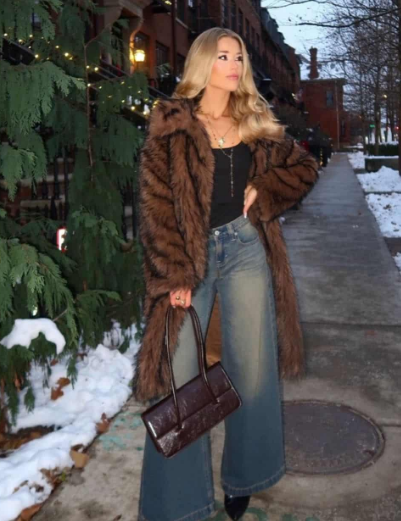
Winter Holiday Outfits: Stylish Ideas for Every Cold-Weather Celebration
Choosing the right winter holiday outfits can make seasonal celebrations more enjoyable while helping you feel comfortable, confident, and appropriately dressed. Holiday gatherings often involve different settings, from cozy family dinners and festive parties to outdoor markets, winter vacations, office celebrations, and formal events. This variety makes it useful to have clothing that combines warmth with personal style. The right outfit does not have to be complicated. With thoughtful layering, seasonal fabrics, versatile colors, and suitable accessories, it is possible to create looks that feel festive without sacrificing comfort. Understanding how to combine everyday winter essentials with special occasion pieces can make holiday dressing much easier.
Understanding Winter Holiday Style
Winter holiday fashion combines practical cold-weather clothing with colors, textures, and silhouettes that create a festive atmosphere. Unlike ordinary winter dressing, holiday clothing often includes more decorative details, elegant fabrics, richer colors, and statement accessories.
The best approach depends on the occasion. A relaxed gathering may call for a knitted sweater and comfortable trousers, while an evening celebration could require a dress, tailored suit, or polished separates. Outdoor events require additional attention to warmth and weather protection.
Personal style should also remain part of the decision. Some people prefer understated neutral outfits, while others enjoy sequins, metallic details, velvet, bold colors, or festive prints. There is no single formula for holiday dressing, so the goal is to find a combination that feels appropriate and comfortable.
Essential Pieces for a Winter Holiday Wardrobe
A few versatile pieces can create numerous holiday looks. A well-fitting coat is one of the most useful investments because it can be worn over casual and formal clothing. Wool coats, tailored overcoats, insulated jackets, and belted coats can all provide different levels of warmth and style.
Knitwear is another essential. Turtlenecks, cable-knit sweaters, cardigans, and fitted knit tops can be layered with skirts, trousers, dresses, or jeans. For a festive appearance, consider textures such as ribbed knits, brushed fabrics, or subtle metallic threads.
Trousers provide a practical foundation for many winter outfits. Tailored pants can create a sophisticated appearance, while wide-leg trousers, corduroy pants, and dark denim work well for more relaxed occasions.
Dresses can also be adapted for winter. Long-sleeve midi dresses, sweater dresses, velvet dresses, and layered maxi dresses provide warmth while creating a more dressed-up appearance.
Choosing Festive Colors
Color can instantly make an outfit feel more appropriate for the holiday season. Traditional winter colors include deep red, forest green, burgundy, navy, cream, black, silver, and gold.
Neutral shades can provide an elegant foundation. A cream sweater with dark trousers and a camel coat can look sophisticated without appearing overly festive. Similarly, a black dress can be transformed with metallic accessories or a colorful coat.
For those who enjoy stronger seasonal colors, burgundy, emerald, deep blue, and rich red can add visual interest. These colors tend to work particularly well with winter fabrics such as velvet, wool, suede, and knitwear.
Metallic shades can be useful for evening celebrations. Silver, gold, bronze, or subtle shimmer can make an outfit feel festive without requiring an entirely glittery look.
Cozy Outfits for Family Gatherings
Family celebrations often prioritize comfort, making soft and relaxed clothing especially useful. A warm sweater paired with straight-leg trousers or dark jeans can create a simple but polished appearance.
A cardigan layered over a fitted top can provide additional warmth and flexibility. For a more festive touch, choose seasonal colors or textured knitwear.
Sweater dresses are another practical choice. They provide the appearance of a complete outfit while remaining comfortable for long meals and gatherings. Pairing one with boots and a structured coat can create a polished seasonal look.
Accessories can elevate simple clothing. A statement necklace, patterned scarf, attractive belt, or elegant earrings can add personality without making the outfit uncomfortable.
Outfits for Holiday Parties
Holiday parties provide more opportunities to experiment with fashion. Velvet, satin, sequins, metallic details, and textured fabrics can make an outfit feel special.
A velvet dress paired with ankle boots and a tailored coat is suitable for many evening events. Alternatively, a sequined top can be combined with simple trousers or a skirt to create balance.
For those who prefer separates, a satin blouse with tailored pants can offer an elegant alternative to a dress. A blazer can add structure and warmth while maintaining a polished appearance.
Accessories should complement rather than compete with the outfit. If the clothing contains significant sparkle, simpler jewelry may create a more balanced result. If the outfit is relatively understated, statement earrings or a decorative handbag can provide a focal point.
Winter Holiday Outfits for Travel
Travel during the holiday season requires clothing that combines comfort, warmth, and flexibility. Long journeys can involve changing temperatures, so layering is particularly useful.
A comfortable sweater, relaxed trousers, supportive boots, and a lightweight jacket can create a practical travel combination. A scarf can serve as an additional layer and can also be used as a blanket during a journey.
Neutral colors are especially convenient for travel because they allow several pieces to be mixed and matched. A small collection of coordinated clothing can create multiple combinations while reducing luggage requirements.
For destinations with severe winter weather, travelers should prioritize insulated outerwear, thermal layers, waterproof boots, gloves, and warm accessories. Clothing should be selected according to the actual climate rather than relying only on appearance.
Dressing for Outdoor Winter Celebrations
Outdoor holiday markets, festivals, light displays, and seasonal gatherings require additional protection from cold temperatures. A stylish outfit is useful, but staying warm should be the primary concern.
Start with a suitable base layer and add an insulating sweater or fleece layer. Finish with a weather-resistant coat or insulated jacket. Warm boots with good traction are especially important if the ground may be wet, icy, or snowy.
Accessories can provide both practical and visual benefits. A chunky scarf, knitted hat, and gloves can add texture while protecting exposed areas from cold air.
Layering also allows the outfit to be adjusted when moving between outdoor and indoor locations. This is particularly useful when an event includes restaurants, shops, heated venues, or transportation.
Office Holiday Party Dressing
Office holiday celebrations often require a balance between professional style and festive details. The appropriate outfit depends on the workplace and event setting.
A tailored blazer over a festive blouse can create an easy combination. A midi dress with elegant boots can also work well for semi-formal celebrations.
For a more formal event, a tailored suit with a satin shirt or a sophisticated dress can provide a polished appearance. Subtle metallic accessories can introduce seasonal character without making the outfit appear too casual.
When unsure about the dress code, it is generally safer to choose a polished foundation and introduce festive elements through accessories, textures, or color.
Elegant Outfits for Formal Holiday Events
Formal winter celebrations allow for more sophisticated clothing. Long dresses, tailored suits, velvet pieces, structured coats, and refined accessories can create a polished appearance.
For women, a long-sleeve evening dress or elegant midi dress can provide both sophistication and warmth. Velvet and heavier fabrics are especially suitable for winter because they naturally create a seasonal appearance.
For men, a well-tailored suit, dress shirt, formal shoes, and a suitable overcoat can provide a classic combination. Darker colors such as charcoal, navy, and black can create a refined winter aesthetic.
Outerwear should not be forgotten. A formal coat can complement the outfit and ensure that the overall appearance remains polished when arriving or leaving the event.
Footwear and Accessories
Footwear can significantly affect both comfort and appearance. Ankle boots work well with trousers, skirts, and dresses, while knee-high boots can provide additional warmth with dresses and skirts.
For snowy or rainy conditions, waterproof footwear should take priority. Shoes should also provide adequate traction when walking outdoors.
Accessories offer an easy way to update simple outfits. Scarves, gloves, hats, belts, handbags, jewelry, and hair accessories can all contribute to a finished appearance.
The key is coordination. Accessories should support the overall color palette and level of formality rather than making the outfit feel visually crowded.
Key Points to Remember
Holiday dressing during winter is about finding the right balance between seasonal style and practical warmth. The occasion should determine the level of formality, while the weather should influence fabrics, layers, footwear, and outerwear.
Versatile pieces are particularly useful because they can be styled in different ways. A quality coat, comfortable boots, knitwear, tailored trousers, and a few festive accessories can form the foundation of many different looks.
Color and texture can also make basic clothing feel more seasonal. Rich winter colors, velvet, wool, knitwear, satin, metallic accents, and subtle sparkle can add festive character without requiring excessive decoration.
Tips for Creating Better Holiday Looks
Plan outfits around the event before choosing individual pieces. Consider whether the occasion is indoors or outdoors, casual or formal, and whether you will be traveling between different locations.
Use layers to improve comfort. A stylish indoor outfit can be paired with a warm coat and accessories for traveling to and from the event.
Choose footwear carefully. Beautiful shoes are not useful if they make it difficult to walk comfortably through cold or wet conditions.
Avoid buying an entirely new wardrobe for every celebration. Instead, invest in versatile pieces that can be styled differently with accessories, layers, and seasonal colors.
Finally, consider comfort throughout the entire event. Clothing that looks good but restricts movement or causes discomfort can make a celebration less enjoyable.
Final Thoughts
Creating stylish winter holiday outfits becomes easier when warmth, comfort, occasion, and personal style are considered together. From cozy family gatherings and office celebrations to formal parties and outdoor winter events, different situations call for different combinations of clothing. Layering makes outfits adaptable, while seasonal colors, textures, accessories, and footwear add personality. A thoughtfully planned winter wardrobe does not need to contain countless pieces. A few versatile essentials can be combined in many ways to create comfortable and festive looks throughout the holiday season.
Frequently Asked Questions
1. What should I wear to a casual winter holiday gathering?
A warm sweater, dark jeans or trousers, comfortable boots, and a stylish coat can create an attractive casual look. Seasonal accessories can make the outfit feel more festive.
2. What fabrics work well for holiday outfits in winter?
Wool, velvet, fleece, knitwear, corduroy, satin, and heavier blends can work well during winter. The best fabric depends on the temperature and formality of the occasion.
3. How can I make a simple outfit look festive?
Add seasonal colors, textured accessories, metallic jewelry, a decorative handbag, or a statement scarf. A well-chosen coat or pair of boots can also make a significant difference.
4. What should I wear to an outdoor holiday event?
Use multiple layers and include a warm outer coat, insulated footwear, gloves, and a hat or scarf. If rain or snow is expected, choose weather-resistant clothing and shoes.
5. Can I wear a dress during winter?
Yes. Long-sleeve dresses, sweater dresses, velvet dresses, and midi styles can work well in winter. Pair them with tights, boots, warm outerwear, and suitable accessories for additional protection from the cold.