
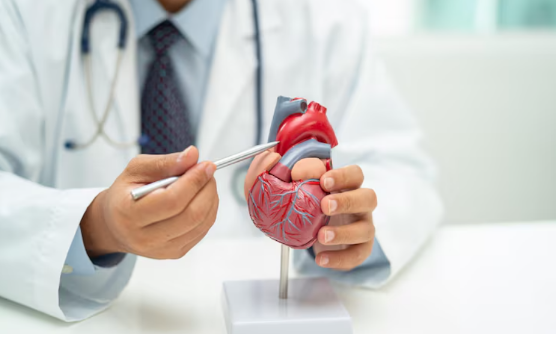
How Cardiologists Help You Detect Early Signs of Heart Disease Before It Becomes Serious
Heart disease often develops slowly over time, and many people do not notice symptoms until the condition becomes advanced. This is why early detection plays a key role in protecting heart health. A cardiologist is a medical specialist who focuses on diagnosing, treating, and preventing heart-related problems. By identifying warning signs early, a cardiologist can help reduce the risk of serious complications such as heart attacks, heart failure, or stroke. Regular checkups and timely evaluation can make a major difference in long-term health outcomes.
Understanding the Role of a Cardiologist
A cardiologist is trained to study how the heart and blood vessels function and how diseases affect them. Their main goal is not only to treat heart disease but also to prevent it from becoming severe. When a patient visits a cardiologist, the doctor reviews medical history, lifestyle habits, and family background to understand risk factors. This helps in identifying whether a person is more likely to develop heart disease in the future.
Cardiologists also guide patients on managing conditions like high blood pressure, high cholesterol, and diabetes, which are closely linked to heart problems. By controlling these conditions early, many serious heart issues can be avoided.
Early Warning Signs of Heart Disease
Heart disease often begins with subtle symptoms that people may ignore. A cardiologist helps identify whether these signs are related to the heart or other health issues. Common early warning signs include chest discomfort, shortness of breath, unusual tiredness, and irregular heartbeat.
Some people may also experience dizziness, swelling in the legs, or mild pain in the chest during physical activity. While these symptoms may seem minor, they can indicate early heart problems. A cardiologist carefully evaluates these signs and determines whether further testing is needed to prevent the condition from worsening.
Diagnostic Tests Used by Cardiologists
To detect heart disease early, a cardiologist uses several diagnostic tools and tests. These tests help provide a clear picture of how well the heart is working and whether there are any hidden issues.
Common tests include electrocardiograms (ECG), which measure the electrical activity of the heart, and echocardiograms, which use sound waves to create images of the heart. Stress tests are also used to observe how the heart performs during physical activity. In some cases, blood tests and advanced imaging techniques may be recommended to get more detailed information.
These tests are safe, quick, and highly effective in identifying early signs of heart disease before symptoms become severe.
How Regular Checkups Prevent Serious Problems
Regular visits to a cardiologist are important, especially for people with risk factors such as smoking, obesity, or a family history of heart disease. Even if a person feels healthy, early checkups can reveal hidden problems that are not yet causing symptoms.
During these visits, the cardiologist monitors blood pressure, cholesterol levels, and heart function over time. If any changes are detected, treatment can begin immediately. This early action often prevents serious conditions from developing and reduces the chances of emergency situations.
Conclusion
A cardiologist plays a vital role in protecting heart health by identifying early warning signs of disease and preventing complications before they become serious. Through careful evaluation, advanced diagnostic tests, and regular monitoring, they help patients maintain a healthy heart for the long term. Early detection and timely care can significantly improve quality of life and reduce the risk of life-threatening heart problems.