
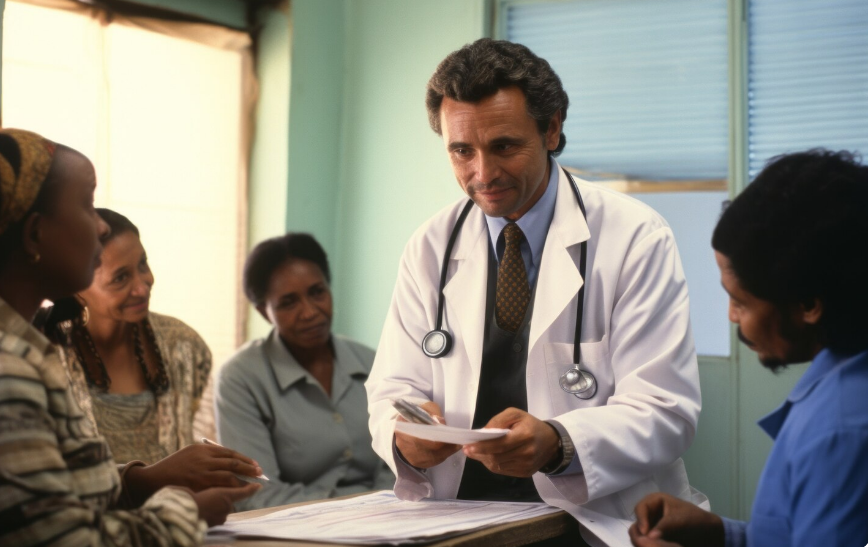
Bihar Health Department: A Complete Guide to Healthcare Services, Hospitals, and Public Health Programs
The Bihar Health Department is an important part of the state government responsible for planning, managing, and supporting public healthcare services across Bihar. Its work covers a wide range of areas, including government hospitals, primary healthcare centers, disease prevention, maternal and child health, vaccination, medical education, public health programs, health infrastructure, and access to healthcare in rural and urban communities. The department works through different levels of the healthcare system so that people can receive preventive, diagnostic, emergency, and treatment services closer to where they live. Understanding the department can help residents learn how Bihar’s public healthcare system is organized and where different types of health services are generally provided.
What Is the Bihar Health Department?
The Bihar Health Department is a state government department responsible for the administration and development of healthcare services in Bihar.
Its responsibilities extend beyond hospitals and medical treatment. Public health involves preventing diseases, promoting healthy behaviors, monitoring health conditions, improving sanitation and awareness, protecting vulnerable populations, and ensuring that essential healthcare services are available.
The department works with government hospitals, health centers, medical institutions, healthcare professionals, district-level authorities, and various public health programs.
Because Bihar has a large population spread across urban, semi-urban, and rural areas, providing healthcare requires coordination between state-level planning and local implementation.
Main Responsibilities of the Health Department
One of the department’s central responsibilities is managing and supporting public healthcare delivery.
This includes developing healthcare infrastructure, improving medical facilities, supporting healthcare workers, implementing health programs, and coordinating services at different administrative levels.
The department also works on disease prevention and control. Public health programs can address communicable diseases, maternal and child health, nutrition, immunization, tuberculosis, vector-borne diseases, and other health priorities.
Another important responsibility is maintaining healthcare standards and improving the availability of essential services.
The department’s work therefore involves both direct healthcare delivery and broader health-system planning.
Government Hospitals in Bihar
Government hospitals form an important part of Bihar’s public healthcare network. They provide services ranging from basic treatment to specialized and emergency care.
Different hospitals have different levels of capacity. District hospitals may provide a broad range of medical services for people within a district, while larger medical institutions and teaching hospitals can provide more specialized treatment.
Government facilities can be particularly important for families seeking affordable healthcare services.
The availability of specific treatments, specialists, diagnostic facilities, medicines, and emergency services can vary between facilities. Patients should therefore confirm the services available at a particular hospital when specialized care is required.
Primary Healthcare Services
Primary healthcare is one of the foundations of the public health system.
Primary-level facilities are generally intended to provide accessible services within local communities. These facilities can offer basic medical consultations, preventive care, maternal and child health services, immunization, health education, and referrals when more advanced treatment is necessary.
A strong primary healthcare system can reduce the need for people to travel long distances for basic medical needs.
Primary healthcare facilities can also help identify health problems at an earlier stage and connect patients with higher-level hospitals when necessary.
Rural Healthcare in Bihar
Rural healthcare is especially important because a significant portion of Bihar’s population lives outside major urban centers.
Healthcare facilities in rural areas can provide essential services while also connecting communities with district and specialized hospitals.
Improving rural healthcare involves more than constructing buildings. It also requires trained healthcare professionals, medicines, diagnostic equipment, reliable transportation, electricity, digital systems, and effective referral arrangements.
Community awareness is another important factor. People need information about available services, preventive measures, maternal health, vaccination, nutrition, and when professional medical attention is necessary.
Maternal and Child Healthcare
Maternal and child health is a major area of public healthcare.
Pregnancy requires appropriate antenatal care, skilled medical supervision, nutritional support, and access to emergency services when complications occur.
Public health facilities can support pregnant women through routine checkups, institutional delivery services, counseling, and referrals for higher-risk pregnancies.
Child healthcare includes immunization, growth monitoring, nutrition, treatment of common childhood illnesses, and preventive services.
Early healthcare can have long-term effects on child development and overall well-being.
Immunization and Disease Prevention
Vaccination is one of the most important tools used in public health to prevent infectious diseases.
Government health facilities and public health workers participate in immunization programs designed to protect children and other eligible populations.
Disease prevention also includes surveillance, public awareness, sanitation-related measures, vector control, and timely treatment.
Public health systems must respond to both routine health needs and outbreaks. This requires coordination between healthcare workers, laboratories, district authorities, and communities.
Communicable Disease Control
Communicable diseases can spread through infected people, contaminated food or water, insects, animals, or other routes.
Public health departments therefore monitor and respond to diseases that can create risks for communities.
Programs may focus on conditions such as tuberculosis, malaria, dengue, viral diseases, and other infectious illnesses.
Prevention strategies vary depending on the disease. They may include vaccination, testing, treatment, mosquito control, hygiene education, sanitation, contact investigation, and community awareness.
Early detection and appropriate treatment can reduce complications and help limit transmission.
Noncommunicable Diseases
Healthcare systems also need to address diseases that are not primarily spread from person to person.
Conditions such as diabetes, hypertension, cardiovascular disease, and certain cancers can require long-term management.
Public health programs can support screening and early identification of these conditions, especially among adults and people with known risk factors.
Lifestyle factors such as tobacco use, physical inactivity, unhealthy diets, excessive alcohol consumption, and chronic stress can contribute to the risk of several noncommunicable diseases.
Regular medical checkups and appropriate screening can help identify some conditions before they become more difficult to manage.
Medical Education and Training
Healthcare delivery depends on a trained workforce.
Bihar has medical colleges, teaching hospitals, nursing institutions, and other healthcare training facilities that contribute to the education of doctors, nurses, pharmacists, technicians, and other professionals.
Medical education is important not only for producing healthcare workers but also for supporting specialized treatment and medical research.
Teaching hospitals can serve multiple purposes by providing patient care while also giving students and trainees practical clinical experience.
Expanding and improving medical education can help strengthen the availability of healthcare professionals across the state.
Role of Healthcare Workers
Doctors are only one part of a functioning healthcare system. Nurses, pharmacists, laboratory technicians, community health workers, ambulance personnel, administrative staff, sanitation workers, and other professionals all contribute to patient care.
Community-level healthcare workers can be particularly important in rural and underserved areas.
They may help connect families with health services, provide information, support maternal and child health activities, encourage vaccination, and assist with public health campaigns.
Effective healthcare therefore depends on teamwork across different professional roles.
Emergency Healthcare Services
Emergency medical care is an essential part of the healthcare system.
People experiencing serious injuries, severe breathing difficulties, major bleeding, unconsciousness, suspected stroke, heart-related emergencies, or other life-threatening conditions may require immediate medical attention.
Emergency services depend on timely transportation, trained personnel, hospital capacity, diagnostic facilities, and effective communication.
Patients should not delay emergency treatment while attempting to manage serious symptoms through home remedies.
For emergencies, people should use the appropriate local emergency medical service or go to the nearest suitable emergency facility.
Digital Healthcare and Online Services
Technology is increasingly being used to improve healthcare administration and patient access.
Digital systems can support appointment management, medical records, laboratory information, reporting, health monitoring, telemedicine, and communication between healthcare facilities.
Online information can also make it easier for residents to find information about healthcare programs and public facilities.
However, digital services should complement rather than completely replace physical healthcare. Patients with serious or complex conditions may still require direct examination, diagnostic testing, or hospital-based treatment.
Public Health Awareness
Health awareness is an important part of disease prevention.
People can reduce health risks by understanding vaccination, nutrition, hygiene, sanitation, safe drinking water, physical activity, tobacco-related risks, and the importance of timely medical care.
Government health campaigns can help communicate information to communities, but individuals and families also play an important role in applying healthy practices.
Accurate information is particularly important during disease outbreaks, when misinformation can create confusion and delay appropriate treatment.
Healthcare Access and Affordability
One of the major goals of a public healthcare system is to make essential services accessible to people regardless of their financial circumstances or geographic location.
Government facilities can provide many services at lower direct costs than private healthcare facilities, although the exact availability of services, medicines, diagnostics, and specialist care differs by institution.
People seeking treatment should understand what services a facility provides and whether referral to another hospital is necessary.
Improving affordability also requires efficient infrastructure, adequate staffing, medicine availability, and strong referral networks.
Challenges Facing Public Healthcare
Healthcare systems can face challenges even when significant infrastructure and programs are available.
These challenges can include differences in healthcare access between urban and rural areas, shortages of specialized professionals, high patient loads, infrastructure requirements, transportation difficulties, and the need for continuous improvement in service quality.
Public health also has to respond to changing disease patterns and population needs.
Technology, better data systems, improved training, infrastructure investment, and stronger coordination can help address some of these challenges.
Community participation is equally important because healthcare outcomes depend partly on whether people use preventive and treatment services appropriately.
How Residents Can Use Public Health Services
Residents should first identify the appropriate level of care for their health concern.
For minor or routine problems, a nearby primary healthcare facility may be an appropriate starting point. More complicated conditions may require referral to a district hospital or specialized medical institution.
People should keep important medical records, prescriptions, test results, and information about current medications when visiting a healthcare facility.
Patients should also provide healthcare professionals with accurate information about symptoms, previous illnesses, allergies, and medications.
In emergencies, immediate medical attention should take priority over routine appointment procedures.
Key Points to Remember
The Bihar Health Department is responsible for major areas of public healthcare administration and service delivery in the state.
Its work includes hospitals, primary healthcare, disease prevention, maternal and child health, immunization, public health programs, and healthcare infrastructure.
Government hospitals provide different levels of medical care depending on their facilities and specialties.
Primary healthcare centers play an important role in providing accessible community-level services.
Maternal and child healthcare is a major component of public health.
Disease prevention includes vaccination, health education, surveillance, testing, and treatment.
Medical colleges and teaching hospitals contribute to healthcare delivery and professional training.
Digital healthcare systems are increasingly supporting healthcare administration and patient services.
Tips for Using Public Healthcare Services
Identify the nearest appropriate government healthcare facility before an urgent need arises.
Keep copies of important prescriptions, medical reports, and vaccination records.
Ask healthcare professionals about follow-up appointments and warning signs that require additional treatment.
Use preventive healthcare services such as vaccination and recommended screening.
Do not ignore persistent symptoms simply because they initially appear mild.
For serious or emergency symptoms, seek immediate medical attention.
Verify health information through qualified healthcare professionals rather than relying solely on social media or unverified online claims.
If a local facility cannot provide specialized treatment, ask about the appropriate referral pathway.
Final Thoughts
The Bihar Health Department plays a central role in organizing and supporting public healthcare services throughout Bihar. Its responsibilities extend from primary healthcare and government hospitals to maternal and child health, disease prevention, immunization, medical education, and broader public health programs. A strong healthcare system depends on infrastructure, trained professionals, accessible services, reliable medicines, effective technology, and community participation. For residents, understanding how different levels of public healthcare work can make it easier to identify the appropriate service when medical assistance is needed. As healthcare needs continue to evolve, strengthening accessibility, quality, prevention, and coordination remains important for communities across Bihar.
Frequently Asked Questions
1. What is the Bihar Health Department?
The Bihar Health Department is a state government department responsible for major areas of healthcare administration, public health, medical services, health programs, and healthcare development in Bihar.
2. What services are provided through government hospitals in Bihar?
Government hospitals can provide services such as outpatient treatment, emergency care, diagnostics, maternity services, surgery, specialist consultations, and other medical services depending on the individual facility.
3. Does the Bihar public health system provide rural healthcare?
Yes. Bihar’s public healthcare network includes facilities and healthcare workers serving rural communities. These services are designed to provide local healthcare and connect patients with higher-level facilities when specialized treatment is needed.
4. What is the role of primary healthcare centers?
Primary healthcare facilities provide community-level medical and preventive services. They can support routine treatment, health education, maternal and child health, immunization, and referrals to higher-level facilities.
5. Why is public health important in Bihar?
Public health helps prevent diseases, improve access to healthcare, support vulnerable populations, promote healthy behaviors, provide essential medical services, and coordinate responses to health problems affecting communities.