
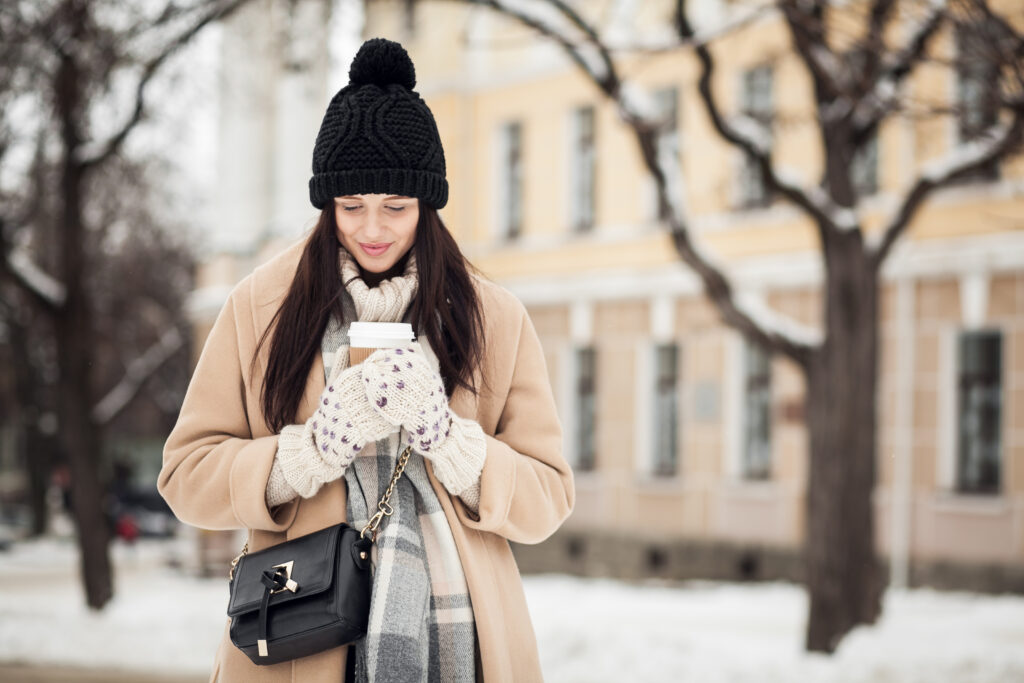
Winter Attire: A Complete Guide to Staying Warm and Stylish
Choosing the right winter attire can make cold-weather days much more comfortable while helping you maintain a stylish and polished appearance. Winter clothing is not simply about wearing as many layers as possible. The right combination of fabrics, fits, colors, and accessories can provide warmth without making an outfit feel bulky. From cozy sweaters and insulated coats to boots, scarves, and gloves, there are many ways to create practical outfits for different winter conditions. Understanding how each piece works together makes it easier to build a versatile cold-weather wardrobe for work, travel, casual outings, and special occasions.
What Is Winter Attire?
Winter attire refers to clothing and accessories designed to provide protection from cold temperatures, wind, rain, snow, and other seasonal conditions. Depending on the climate, it can include lightweight sweaters, thermal layers, wool coats, puffer jackets, fleece tops, trousers, boots, scarves, gloves, hats, and other cold-weather accessories.
The best clothing choices depend on the temperature and environment. Someone living in a mild winter climate may need only a sweater and medium-weight jacket, while people living in areas with freezing temperatures may require insulated coats, thermal underwear, waterproof footwear, and multiple protective layers.
Comfort is another important factor. Clothing should allow enough movement for everyday activities while keeping the body warm. Choosing breathable materials and suitable layers can prevent excessive sweating indoors while still providing protection outdoors.
Essential Winter Clothing Pieces
A useful cold-weather wardrobe begins with several versatile basics. A warm sweater is one of the easiest pieces to incorporate into everyday outfits. Knit sweaters, wool pullovers, fleece tops, and turtlenecks can all provide warmth while offering different styling possibilities.
A good coat or jacket is equally important. Puffer jackets are useful for insulation, while wool coats can create a more refined appearance. Parkas are practical for windy and snowy conditions because they often provide additional coverage around the head and body.
Layering tops are also valuable. Long-sleeve shirts, thermal tops, and lightweight turtlenecks can be worn underneath sweaters and jackets. This approach allows clothing to be adjusted throughout the day according to changes in temperature.
For the lower body, jeans, corduroy trousers, wool pants, and lined leggings can provide additional warmth. In especially cold environments, thermal leggings or base layers can be worn underneath regular trousers.
The Importance of Layering
Layering is one of the most effective ways to dress for changing winter conditions. Instead of relying on one extremely thick garment, several lighter layers can work together to trap warmth and provide flexibility.
The base layer sits directly against the skin and helps manage moisture. Materials such as merino wool or moisture-wicking synthetic fabrics are often useful for this purpose. The middle layer provides insulation. Sweaters, fleece jackets, and lightweight down garments can serve this role.
The outer layer protects against environmental conditions. A coat or jacket can help block wind, rain, and snow while keeping the insulating layers underneath effective.
Layering also makes indoor comfort easier. Heated buildings can become warm, so being able to remove a jacket or sweater prevents overheating. This makes layered clothing particularly useful for commuting, shopping, traveling, and working during winter.
Choosing the Right Winter Fabrics
Fabric selection has a major influence on warmth and comfort. Wool is a popular winter material because it provides insulation while remaining breathable. Merino wool is especially useful for base layers, socks, and sweaters because it can regulate temperature and manage moisture.
Fleece is another practical option. It is lightweight, soft, and warm, making it suitable for mid-layers and casual clothing. Down and synthetic insulation are commonly used in winter jackets because they can provide significant warmth without excessive weight.
Cotton can be comfortable but is not always ideal as the primary layer in very cold or wet conditions because it can retain moisture and lose insulating effectiveness when damp.
Water-resistant and waterproof materials are valuable for outer layers in rainy or snowy climates. The right fabric combination depends on the local weather, activity level, and amount of outdoor exposure.
Winter Attire for Casual Outfits
Casual winter outfits can be comfortable without looking unstructured. A simple combination of jeans, a knitted sweater, ankle boots, and a warm coat can work for everyday activities. Adding a scarf provides another layer of warmth while giving the outfit a more finished appearance.
For relaxed weekends, fleece sweatshirts, hoodies, straight-leg trousers, sneakers, and padded jackets can create an easy combination. In colder weather, insulated boots can replace sneakers to provide additional protection.
Neutral colors such as black, gray, navy, cream, beige, and brown are particularly versatile because they can be combined with many different pieces. However, brighter scarves, sweaters, or accessories can introduce personality without requiring a completely colorful wardrobe.
Winter Attire for Work and Professional Settings
Cold weather does not mean professional clothing needs to become uncomfortable. Structured wool coats, tailored trousers, knit dresses, turtlenecks, and polished boots can create sophisticated winter work outfits.
A fitted sweater under a blazer can provide warmth while maintaining a professional appearance. For formal environments, a wool coat over a tailored suit or dress offers protection when traveling between locations.
Accessories should also complement the overall appearance. Leather gloves, understated scarves, structured bags, and simple boots can provide practicality without overwhelming a professional outfit.
The most useful work pieces are those that can transition between indoor and outdoor environments. Lightweight layers are particularly helpful because offices and other indoor spaces may be significantly warmer than outside.
Winter Attire for Special Occasions
Winter events provide an opportunity to combine seasonal fabrics with elegant designs. Velvet dresses, satin skirts, wool suits, tailored coats, and sophisticated knitwear can create a polished appearance while offering more warmth than lightweight summer fabrics.
For evening events, a long coat can be worn over a dress or formal outfit. Boots can also provide additional warmth while maintaining a refined appearance.
Accessories can make a major difference. A textured scarf, elegant gloves, statement earrings, or a sophisticated handbag can enhance a winter outfit without adding excessive layers.
When attending outdoor events, practicality should remain important. Beautiful clothing is less useful if it cannot provide sufficient protection from cold temperatures, wind, or precipitation.
Winter Accessories That Add Warmth
Accessories are more than decorative additions during cold weather. Hats help reduce heat loss around the head, while scarves protect the neck and can shield the face from cold wind. Gloves protect the hands, and warm socks help keep the feet comfortable.
Boots are particularly important because they combine warmth, traction, and protection. In wet or snowy conditions, waterproof footwear can help keep feet dry. In mild conditions, leather or suede boots may provide sufficient protection.
The best accessories are versatile enough to work with multiple outfits. Neutral-colored gloves, scarves, and hats can easily coordinate with different coats and jackets.
Key Points to Remember
Effective winter dressing begins with understanding the weather and choosing clothing according to the conditions. Layering provides flexibility and allows people to adjust their outfits throughout the day. Warm fabrics such as wool and fleece can provide insulation, while appropriate outerwear protects against wind and precipitation.
Fit is also important. Clothing that is excessively tight can restrict movement and make layering difficult, while extremely loose clothing may allow cold air to enter easily. A comfortable fit with enough room for necessary layers is generally more practical.
Footwear and accessories should not be overlooked. Warm socks, suitable boots, gloves, scarves, and hats can significantly improve comfort during outdoor activities.
Tips for Creating a Versatile Winter Wardrobe
Start with a small collection of dependable basics rather than purchasing many pieces that serve the same purpose. A quality coat, several sweaters, comfortable trousers, versatile boots, and useful accessories can form the foundation of many different outfits.
Choose colors that coordinate easily. Neutral shades provide flexibility, while a few seasonal accent colors can make outfits more interesting.
Pay attention to clothing care as well. Wool garments may require gentle washing or specialized cleaning, while waterproof outerwear may need specific maintenance to preserve its protective qualities.
It is also useful to consider your daily routine. Someone who spends most of the day indoors may prefer lightweight layers, while someone who works outside needs more substantial insulation and weather-resistant clothing.
Final Thoughts
Building effective winter attire is about combining warmth, comfort, practicality, and personal style rather than simply wearing heavy clothing. Thoughtful layering, suitable fabrics, protective outerwear, comfortable footwear, and useful accessories can make cold days much easier to manage. A versatile wardrobe also allows the same pieces to be adapted for casual activities, professional environments, travel, and special occasions. By choosing quality essentials and coordinating them thoughtfully, anyone can create winter outfits that provide reliable protection from the cold while maintaining a confident and stylish appearance.
Frequently Asked Questions
1. What should I wear in very cold weather?
In very cold weather, use multiple layers consisting of a moisture-managing base layer, an insulating middle layer, and a protective outer coat. Warm socks, gloves, a hat, and suitable boots can provide additional protection.
2. Which fabrics are best for winter clothing?
Wool, merino wool, fleece, down, and quality synthetic insulation are commonly used for cold-weather clothing. The best option depends on the temperature, moisture, activity level, and personal comfort.
3. How can I stay warm without looking bulky?
Layer lightweight garments instead of relying on one extremely thick item. A thermal base layer, thin sweater, and well-fitted insulated jacket can provide warmth without creating excessive bulk.
4. What shoes are suitable for winter?
Winter footwear should match the weather conditions. Insulated and waterproof boots are useful in snowy or wet environments, while leather or other sturdy boots may work well in milder conditions.
5. How can I make winter outfits more stylish?
Focus on proportions, coordinated colors, quality outerwear, and carefully selected accessories. Scarves, boots, gloves, hats, and structured coats can add visual interest while serving a practical purpose.
Pingback: Winter Holiday Outfits: Stylish Ideas for Every Cold-Weather Celebration - Discourse Wave