
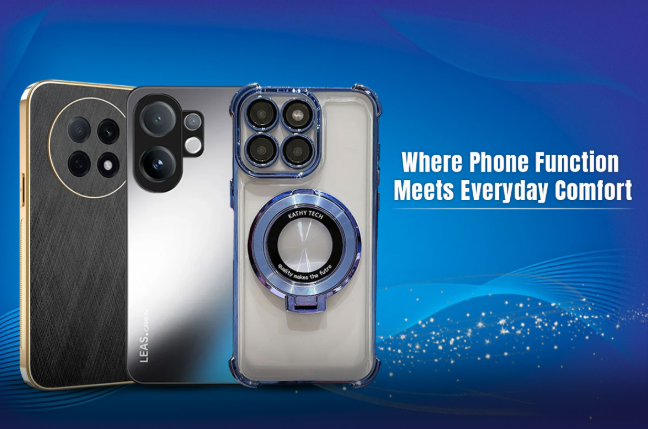
Phone Covers Are No Longer Optional — They’re Part of the Phone Experience
People don’t buy smartphones the way they used to. A phone is no longer just a communication tool. It’s a camera, a wallet, a work device, and sometimes even a business asset. That change has quietly reshaped how people think about phone protection.
A few years ago, any case would do. Thick rubber, flip covers, cheap plastic—function mattered more than feel. Today, that approach doesn’t hold up. Phones look better, feel slimmer, and cost more. Users expect the same standard from the accessories they use every day.
That’s why stylish and premium covers have become the default choice rather than a niche option.
The Problem With “Basic” Phone Cases
Most phone damage doesn’t come from dramatic accidents. It happens during ordinary moments—phones slipping from hands, sliding off desks, or hitting the ground at an awkward angle. Corners take the first hit. Camera modules scrape surfaces. Screens meet concrete.
Cheap covers rarely help in those situations.
Low-quality cases stretch after a few weeks. Corners loosen. Buttons stop responding properly. Some cases even trap dust and moisture, which causes more harm than good. Instead of protecting the phone, they turn into temporary shells that need constant replacement.
People notice these flaws quickly. That’s usually when they start looking for something better.
What People Actually Mean “Premium” Now
Premium doesn’t mean flashy. It doesn’t mean expensive branding or loud designs. In real usage, premium means reliable, comfortable, and well thought out.
A good cover fits the phone properly. It doesn’t wobble or flex when pressed. Buttons click cleanly. Charging ports stay accessible. The camera sits slightly raised, not exposed.
Materials matter too. Better TPU blends, polycarbonate backs, and soft-touch coatings don’t just look nicer—they last longer. They resist scratches, discoloration, and wear from constant handling.
Most importantly, a premium cover doesn’t change how the phone feels to use. It protects without getting in the way.
Style Isn’t About Standing Out — It’s About Not Looking Cheap
Stylish phone covers don’t scream for attention. They blend in naturally with the phone’s design. Clear cases show off original colors. Matte finishes reduce fingerprints. Neutral tones work in professional and casual settings alike.
People carry their phones everywhere. They place them on meeting tables, café counters, and car dashboards. A poorly designed case stands out immediately—and not in a good way.
Clean lines, subtle textures, and balanced proportions make a bigger impression than bold patterns ever could. That’s why minimal designs continue to outperform novelty cases.
Protection Needs to Match How Phones Are Used Today
Modern phones come with large screens and raised camera modules. That design looks good but creates new risks. A cover that ignores these details fails quickly.
Better covers focus protection where it matters:
- Reinforced corners to absorb impact
- Raised lips around the screen
- Camera guards that prevent surface contact
These features don’t need to add bulk. When designed properly, they disappear into the overall form of the case.
The goal isn’t to turn the phone into a brick. The goal is to make damage less likely without making the device harder to use.
Premium Protection Isn’t Just for Expensive Phones
There’s a misconception that only flagship phones deserve good accessories. That idea doesn’t make sense anymore.
Mid-range phones now come with large displays, slim builds, and capable cameras. Devices like the OPPO F31 5G show how much design and usability have improved in affordable smartphones. A cracked screen or damaged lens affects these phones just as much as it would a high-end model.
Users don’t treat mid-range phones as disposable anymore. They use them daily, rely on them for work, and expect them to last. That expectation makes proper protection just as important.
Well-designed covers for these devices focus on durability and comfort instead of unnecessary design elements. They protect without making the phone feel heavier or cheaper.
How a Good Cover Changes Daily Use
People often underestimate how much a case affects everyday interaction.
A solid cover improves grip. The phone feels more secure during one-handed use. Buttons respond properly instead of sinking into the case. The device slides into pockets easily. Wireless charging works without removal.
These details don’t sound dramatic, but they shape how people feel about their phones. Over time, a good cover reduces stress. Users stop worrying about minor drops or scratches. They handle the phone naturally instead of cautiously.
That confidence is part of the value.
Compatibility Is No Longer Optional
Accessories don’t exist in isolation anymore. People use wireless chargers, magnetic mounts, car holders, and stands daily. A case that blocks or interferes with these tools creates friction.
Premium covers account for this during design. They maintain proper thickness for charging. They don’t block sensors or ports. They align correctly with mounts.
Cheap cases often ignore these details, which forces users to remove the case repeatedly. That defeats the purpose of having protection in the first place.
Longevity Makes the Difference
One of the biggest advantages of a premium cover is how long it lasts. Cheap cases look fine at first, then degrade quickly. Edges loosen. Finishes peel. Colors fade.
A well-made cover holds its shape and texture for months. It ages slowly. Even with constant use, it continues doing its job.
Replacing one reliable case costs less than buying multiple low-quality ones—or paying for repairs.
Choosing the Right Cover Comes Down to Habits
There’s no universal best case. The right choice depends on how someone uses their phone.
Daily commuters benefit from better grip and impact resistance. Office users often prefer slim, understated designs. Frequent travelers value durability without bulk.
Stylish and premium covers work because they offer these options without sacrificing quality. They adapt to real habits instead of forcing users into a single style.
FAQs
Do premium covers really protect better than basic ones?
Yes. They use stronger materials and better structural design, especially around corners and cameras.
Will a stylish cover protect my phone from drops?
A well-designed stylish cover can absorb impact without being bulky. Design and protection aren’t opposites anymore.
Do premium covers interfere with wireless charging?
Good ones don’t. They’re built to work with modern charging standards.
Is it worth buying a good cover for a mid-range phone?
Absolutely. Repair costs don’t scale with phone price. Protection matters regardless.
How long should a quality phone cover last?
With normal use, a good cover should last many months without losing fit or grip.
Final Thoughts
Phone covers have changed because phones have changed. Protection is no longer an afterthought—it’s part of how people experience their devices.
Stylish and premium covers succeed because they respect both the phone and the user. They protect without distracting, support daily habits, and last longer than quick fixes.
In the end, the best cover isn’t the one that looks impressive online. It’s the one that disappears into daily life while quietly doing its job.