

Mental Health Cooperative: A Complete Guide to Community-Based Mental Health Care
Mental health cooperatives are organizations that focus on providing accessible, affordable, and community-oriented mental health services. They often emphasize collaboration, shared decision-making, peer support, and the active involvement of individuals experiencing mental health challenges.
As awareness of mental health continues to grow, cooperative models are becoming an important topic in discussions about inclusive healthcare. These organizations aim to create supportive environments where individuals can access resources, connect with others, and participate in their own recovery.
Understanding what a mental health cooperative is, how it operates, and what services it offers can help individuals and families explore alternative approaches to mental healthcare.
What Is a Mental Health Cooperative?
A mental health cooperative is a community-based organization or collaborative healthcare model designed to support individuals experiencing mental health challenges through shared resources, collective participation, and supportive services.
Unlike traditional healthcare models that may focus primarily on professional treatment, cooperatives often encourage members to participate in decisions about their care and the organization’s activities.
Mental health cooperatives may involve:
- Individuals with lived experience of mental health conditions.
- Mental health professionals.
- Peer support workers.
- Family members and caregivers.
- Community organizations.
- Volunteers and advocates.
The primary objective is to promote mental wellness, reduce stigma, improve access to support, and encourage recovery through collaboration.
The exact structure of a mental health cooperative varies. Some operate as member-owned organizations, while others use cooperative principles within community mental health programs.
How Does a Mental Health Cooperative Work?

Mental health cooperatives generally operate through collaboration and shared responsibility.
Members may participate in developing programs, organizing support groups, managing resources, and making decisions about community activities.
A typical cooperative model may include the following elements:
\Member Participation
Members are encouraged to contribute ideas, share experiences, and participate in organizational decisions.
This approach can help create services that better reflect the needs of the community.
Peer Support
Peer support is an important part of many mental health cooperatives. Individuals with lived experience may provide emotional encouragement, practical guidance, and understanding to others facing similar challenges.
Community-Based Services
Cooperatives may organize local programs that help people access mental health resources, build social connections, and develop coping skills.
Shared Resources
Members may share educational materials, community facilities, support services, and other resources to improve accessibility.
Collaborative Care
Some cooperatives work with therapists, psychologists, psychiatrists, and social workers to provide professional mental health services alongside peer and community support.
It is important to understand that peer support and cooperative participation do not replace professional psychiatric treatment when clinical care is needed.
Mental Health Cooperative: An Organization in Tennessee
The term “Mental Health Cooperative” can refer to a cooperative approach to mental healthcare or to a specific organization. One prominent organization with this name is Mental Health Cooperative (MHC), a nonprofit behavioral healthcare provider based in Nashville, Tennessee.
About Mental Health Cooperative (MHC)
Mental Health Cooperative was established in 1993 to provide community-based care for adults experiencing serious mental illness. It later expanded its services to children, youth, and families.
The organization focuses on providing compassionate, person-centered, and integrated healthcare services. Its mission is to empower individuals and families to live healthier lives through behavioral health, physical health, and substance use services.
Services Offered by Mental Health Cooperative
Mental Health Cooperative offers several types of behavioral healthcare services.
- Adult mental health services: Therapy, psychiatric care, medication management, and care coordination.
- Children and family services: Counseling, psychiatric treatment, and support for emotional and behavioral challenges.
- Emergency psychiatric services: Crisis response, psychiatric assessments, and stabilization services.
- Substance use treatment: Support and treatment options for individuals experiencing substance use concerns.
- Primary healthcare: Coordinated physical and mental healthcare services.
- Community-based care: Support delivered in homes, schools, and other community settings.
These services are designed to support individuals with varying mental health needs.
Who Can Receive Services?
Mental Health Cooperative serves adults, children, adolescents, and families in Middle and East Tennessee.
Its programs may support individuals experiencing:
- Depression and other mood disorders.
- Serious mental illness.
- Emotional and behavioral challenges.
- Substance use disorders.
- Psychiatric emergencies.
- Complex mental health and social support needs.
Eligibility and access may vary by program, insurance coverage, age, and location.
Mental Health Cooperative Contact Information
Contact information published by the organization..
Benefits of Mental Health Cooperative Programs
Community-based mental health cooperative programs may provide several benefits:
Improved Access to Care
Cooperative models can help individuals access support through community resources, shared services, and affordable treatment options.
Reduced Mental Health Stigma
Encouraging open conversations and peer involvement can help reduce stigma associated with mental health conditions.
Greater Patient Involvement
Members may have more opportunities to participate in decisions about their treatment and support plans.
Stronger Community Support
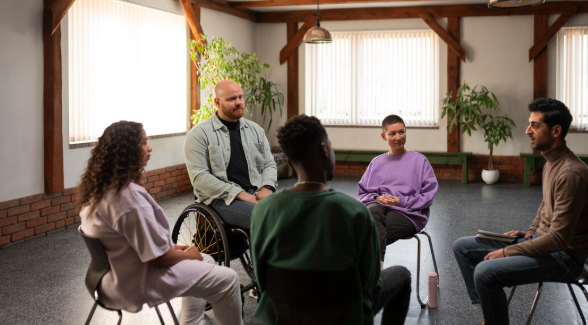
Cooperative programs can help individuals build supportive relationships and reduce social isolation.
Holistic Recovery
Combining professional care, peer support, and community resources can address multiple aspects of an individual’s well-being.
Mental Health Cooperative vs. Traditional Mental Health Care
| Feature | Mental Health Cooperative Model | Traditional Mental Health Care |
| Approach | Collaborative and community-focused | Primarily clinical |
| Patient involvement | Often encourages shared decisions | Varies by provider |
| Peer support | Frequently emphasized | May be available |
| Treatment | Community support and professional care | Therapy, medication, and clinical services |
| Accessibility | May emphasize affordability and inclusion | Depends on facility and insurance |
| Recovery focus | Individual and community participation | Individual treatment plan |
These are general comparisons. Actual services and decision-making structures vary between organizations.
Conclusion
Mental health cooperatives represent a collaborative approach to mental healthcare that emphasizes community participation, peer support, accessibility, and recovery.
Whether referring to a cooperative healthcare model or the nonprofit Mental Health Cooperative in Tennessee, the central idea is to help individuals receive compassionate support and improve their quality of life.
By combining professional treatment with community resources and supportive relationships, mental health cooperatives can contribute to a more inclusive and accessible mental healthcare system.
Frequently Asked Questions
What is a mental health cooperative?
A mental health cooperative is a community-oriented organization or care model that encourages collaboration, shared resources, and participation in mental health support and services.
What is Mental Health Cooperative in Tennessee?
Mental Health Cooperative is a nonprofit behavioral healthcare organization based in Nashville, Tennessee. It provides psychiatric care, therapy, crisis services, and community-based support.
Is Mental Health Cooperative a nonprofit organization?
Yes. Mental Health Cooperative, Inc. is a nonprofit organization that provides behavioral and integrated healthcare services in Tennessee.
What services does Mental Health Cooperative offer?
Its services include adult mental health care, child and family services, psychiatric treatment, crisis intervention, substance use treatment, and primary healthcare.
How does a mental health cooperative help patients?
It may help patients through peer support, shared decision-making, professional treatment, community resources, and recovery-focused programs.
Are mental health cooperatives available in India?
Community-based mental health initiatives and peer-support programs exist in India. However, their organizational structures may differ from formal member-owned cooperatives.
What is the main goal of a mental health cooperative?
The main goal is to promote mental well-being, improve access to care, reduce stigma, and encourage supportive collaboration among individuals, professionals, and communities.