
Best Habits for Mental Health: A Complete Guide to Healthy Living
Maintaining good mental health is essential for living a balanced, fulfilling, and productive life. Mental well-being influences how people think, feel, handle stress, build relationships, and make everyday decisions. Developing the best habits for mental health can help individuals improve emotional stability, strengthen resilience, and support overall wellness. Simple daily practices such as getting enough sleep, exercising regularly, eating nutritious food, practicing mindfulness, and maintaining healthy relationships can make a meaningful difference. Although mental health challenges can affect anyone, building consistent habits may help people manage everyday stress and improve their quality of life. This guide explores practical mental health habits that individuals can incorporate into their daily routines.
What Are the Best Habits for Mental Health?
The best habits for mental health are regular behaviors that support emotional, psychological, and social well-being. These habits help individuals manage stress, maintain healthy relationships, improve concentration, and respond to difficult situations more effectively.
Mental health habits do not need to be complicated. Small, consistent actions can contribute to a healthier lifestyle.
Some of the most effective habits include:
- Maintaining a regular sleep schedule.
- Exercising daily.
- Eating a balanced diet.
- Practicing mindfulness.
- Spending time outdoors.
- Building meaningful relationships.
- Managing stress.
- Limiting excessive social media use.
- Practicing gratitude.
- Taking regular breaks.
- Setting healthy boundaries.
- Seeking professional support when necessary.
The World Health Organization emphasizes that mental health is influenced by individual, social, and environmental factors. Healthy routines can support well-being, but they do not eliminate every mental health concern.
15 Best Habits for Mental Health
Maintain a Consistent Sleep Schedule
Sleep plays an important role in emotional regulation, memory, concentration, and overall mental well-being.
Insufficient or irregular sleep can make it harder to manage stress and may affect mood. Establishing a consistent sleep routine can help support emotional balance.
Healthy sleep habits include:
- Going to bed at approximately the same time each night.
- Waking up at a consistent time.
- Avoiding excessive caffeine late in the day.
- Reducing screen time before bedtime.
- Creating a comfortable sleeping environment.
- Avoiding heavy meals immediately before sleeping.
Most adults need at least seven hours of sleep each night, while teenagers generally need eight to ten hours. Individual needs may vary.
Exercise Regularly
Physical activity is one of the most beneficial habits for mental health. Exercise can improve mood, reduce stress, support sleep, and help people feel more energetic.
Physical activity may include walking, cycling, swimming, yoga, dancing, or strength training.
Regular exercise can help individuals:
- Reduce feelings of stress.
- Improve emotional well-being.
- Increase energy levels.
- Support concentration.
- Develop confidence.
- Maintain healthy sleep patterns.
Adults can aim for approximately 150 minutes of moderate-intensity physical activity each week, along with muscle-strengthening activities on two or more days. Starting with short walks or gentle movement is also beneficial.
Eat a Balanced and Nutritious Diet
Nutrition is closely connected to physical health and can influence mental well-being. A balanced diet provides nutrients that support the brain and body.
Healthy eating habits may include:
- Eating fruits and vegetables regularly.
- Including whole grains in meals.
- Choosing protein-rich foods.
- Drinking enough water.
- Limiting excessive sugar consumption.
- Eating meals at regular times.
- Including healthy fats in the diet.
Foods such as nuts, seeds, legumes, fish, eggs, whole grains, and vegetables can contribute to a balanced eating pattern.
Food alone cannot treat mental health conditions, but good nutrition is an important part of overall wellness.
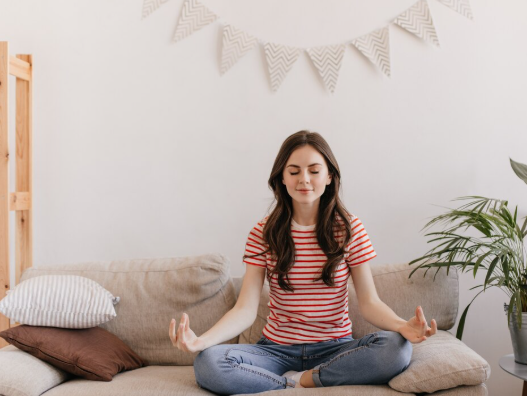
Practice Mindfulness and Meditation

Mindfulness involves paying attention to the present moment without automatically judging thoughts or emotions.
Meditation can help individuals become more aware of their breathing, thoughts, and emotional responses.
A simple mindfulness practice may involve sitting quietly, breathing slowly, and noticing thoughts as they arise.
Potential benefits include:
- Improved emotional awareness.
- Better stress management.
- Reduced mental distraction.
- Greater relaxation.
- Improved focus.
Beginners can start with five minutes of mindfulness each day and gradually increase the duration if it feels helpful.
Build Strong Social Relationships
Healthy relationships are important for emotional well-being. Spending time with supportive friends, family members, and trusted individuals can help people feel connected and understood.
Social connection may reduce loneliness and provide emotional support during difficult situations.
Useful habits include:
- Calling or messaging loved ones.
- Spending quality time with family.
- Meeting friends regularly.
- Listening actively during conversations.
- Sharing feelings with trusted people.
- Participating in community activities.
Meaningful relationships are often more important than the number of social connections a person has.
Practice Gratitude Every Day
Gratitude involves recognizing and appreciating positive aspects of life. It does not mean ignoring problems or pretending everything is perfect.
Practicing gratitude may help people focus on meaningful experiences and develop a more balanced perspective.
You can build gratitude into your routine by:
- Writing down three things you appreciate each day.
- Thanking someone who has helped you.
- Recognizing small personal achievements.
- Appreciating supportive relationships.
- Reflecting on positive experiences before bedtime.
A gratitude journal can be a simple way to develop this habit.
Spend Time in Nature
Spending time outdoors can support relaxation and emotional well-being. Natural environments may help people feel calmer and provide a break from busy routines.
Activities such as walking in a park, gardening, sitting outside, or visiting green spaces can become part of a healthy mental health routine.
Spending time in nature may help individuals:
- Reduce feelings of stress.
- Improve mood.
- Increase physical activity.
- Feel more connected to their surroundings.
- Take a break from digital distractions.
Even a short outdoor walk can be a useful addition to your daily routine.
Limit Excessive Social Media Use
Social media can provide entertainment, education, and social connection. However, excessive use may interfere with sleep, concentration, relationships, and emotional well-being.
Healthy digital habits include:
- Setting reasonable daily screen-time limits.
- Avoiding social media during meals.
- Turning off unnecessary notifications.
- Taking regular digital breaks.
- Unfollowing accounts that encourage negative comparison.
- Avoiding excessive scrolling before bedtime.
It is also helpful to notice how social media makes you feel. If particular platforms or content consistently increase stress or sadness, consider reducing your exposure.
Develop Healthy Stress Management Techniques
Stress is a normal part of life, but unmanaged stress can affect emotional and physical well-being.
Developing effective stress management habits can help people respond to challenging situations more calmly.
Useful techniques include:
- Deep breathing exercises.
- Taking short breaks.
- Listening to relaxing music.
- Practicing yoga.
- Journaling.
- Going for a walk.
- Talking with a trusted person.
- Breaking large tasks into smaller steps.
Stress management does not mean avoiding every difficult situation. It means developing healthier ways to respond to challenges.
Set Healthy Personal Boundaries
Healthy boundaries help individuals protect their time, energy, privacy, and emotional well-being.
People may experience stress when they consistently agree to requests that exceed their capacity or allow others to disregard their needs.
Setting boundaries can involve:
- Saying no when necessary.
- Communicating personal needs clearly.
- Limiting interactions that feel consistently harmful.
- Protecting time for rest.
- Avoiding unnecessary work commitments.
- Respecting other people’s boundaries.
Boundaries can improve relationships by encouraging honest communication and mutual respect.
Make Time for Hobbies and Creative Activities

Hobbies provide opportunities to relax, express emotions, and develop new skills.
Activities such as painting, reading, cooking, gardening, photography, playing music, and writing can add enjoyment and meaning to everyday life.
Creative activities may also provide a healthy outlet for emotions.
You do not need to be exceptionally skilled at a hobby to benefit from it. The purpose is to enjoy the process and create time for activities that make you feel engaged.
Practice Positive and Realistic Self-Talk
The way people speak to themselves can influence their emotional experiences.
Negative self-talk may involve thoughts such as:
- “I always make mistakes.”
- “I am not good enough.”
- “Nothing will ever improve.”
- “Everyone is better than me.”
Practicing more balanced self-talk can help individuals respond to difficulties with greater understanding.
For example, instead of saying, “I failed, so I am useless,” consider saying, “I made a mistake, but I can learn from this experience.”
Positive self-talk should remain realistic. It is about recognizing strengths, accepting imperfections, and treating yourself with compassion.
Create a Daily Routine
A consistent daily routine can provide structure and reduce the feeling of being overwhelmed.
When people have a general plan for their day, they may find it easier to balance responsibilities, relaxation, and personal activities.
A healthy routine can include:
- A regular waking time.
- Morning movement or exercise.
- Balanced meals.
- Scheduled work or study periods.
- Short breaks.
- Social interaction.
- Evening relaxation.
- A consistent bedtime.
Routines should remain flexible. Unexpected situations happen, and a healthy schedule should allow adjustments without creating unnecessary pressure.
Learn to Ask for Help
Asking for help is an important mental health habit. People do not need to manage every challenge independently.
Talking with a trusted friend, family member, teacher, counselor, or healthcare professional may provide emotional support and practical guidance.
Professional support may be especially helpful when someone experiences:
- Persistent sadness.
- Excessive anxiety.
- Difficulty sleeping.
- Loss of interest in activities.
- Trouble managing daily responsibilities.
- Ongoing emotional distress.
Seeking help is a sign of taking care of yourself, not a sign of weakness.
Celebrate Small Achievements
Recognizing small achievements can encourage motivation and help people appreciate their progress.
Mental health improvement does not always happen through major changes. Small actions can be meaningful.
Examples include:
- Completing an important task.
- Exercising for ten minutes.
- Preparing a nutritious meal.
- Maintaining a sleep routine.
- Reaching out to a friend.
- Taking a needed break.
- Practicing mindfulness.
Celebrating progress helps make healthy habits more sustainable.
Daily Habits for Mental Health: Morning to Night
A balanced daily routine can combine several mental health habits without making the day feel overwhelming.
| Time of Day | Healthy Habit | Potential Benefit |
| Morning | Wake up at a consistent time | Supports routine and sleep regulation |
| Morning | Take a short walk or stretch | Encourages physical activity |
| Morning | Eat a balanced breakfast | Provides energy |
| Midday | Take regular work or study breaks | Reduces mental fatigue |
| Afternoon | Connect with a friend or colleague | Supports social connection |
| Evening | Spend time on a hobby | Encourages relaxation |
| Evening | Limit excessive screen time | Reduces digital distractions |
| Night | Practice gratitude or journaling | Encourages reflection |
| Night | Maintain a regular bedtime | Supports healthy sleep |
A routine does not need to include every habit every day. Choosing a few practices that fit your lifestyle is a practical starting point.
Simple Mental Health Habits for Beginners
People who are new to mental wellness routines may find it easier to begin with small actions.
| Habit | Beginner-Friendly Action |
| Exercise | Walk for 10 minutes |
| Mindfulness | Practice breathing for 5 minutes |
| Gratitude | Write down one thing you appreciate |
| Social connection | Send a message to a friend |
| Healthy eating | Add one serving of fruit or vegetables |
| Sleep | Go to bed 15 minutes earlier |
| Stress management | Take a short break between tasks |
| Digital wellness | Avoid checking your phone during meals |
| Self-care | Spend 10 minutes doing something enjoyable |
| Emotional awareness | Write down how you feel |
The key is consistency rather than perfection. If you miss a day, you can simply return to your routine the next day.
How Long Does It Take to Develop Good Mental Health Habits?
The time needed to develop a habit varies from person to person. It depends on the behavior, environment, motivation, and consistency.
Some habits, such as taking a short walk or writing a gratitude note, may become easier relatively quickly. Other habits, such as maintaining a regular sleep schedule or reducing compulsive phone use, may require more time and effort.
A practical approach is to:
- Start with one or two habits.
- Choose realistic goals.
- Repeat the habits regularly.
- Track progress without judgment.
- Adjust the routine when necessary.
- Recognize small improvements.
Healthy habits are not a quick solution to every mental health concern. They are ongoing practices that may support emotional well-being over time.
Scientific Benefits of Healthy Mental Health Habits
Healthy lifestyle habits are supported by research on physical and psychological well-being. However, their benefits may differ between individuals.
The World Health Organization recommends approaches that support mental health across individual, family, community, and societal levels. Physical activity, social connection, and access to appropriate care are important elements of overall mental well-being.
| Healthy Habit | Mental Health Benefit |
| Regular physical activity | May improve mood and reduce stress |
| Adequate sleep | Supports emotional regulation |
| Mindfulness | May help manage stress |
| Social connection | Helps reduce loneliness |
| Balanced nutrition | Supports general brain and body health |
| Nature exposure | May promote relaxation |
| Healthy boundaries | Helps manage emotional demands |
| Professional counseling | Provides individualized mental health support |
These habits can complement mental health treatment when needed. They should not be considered a replacement for therapy, medication, or other recommended care.
Frequently Asked Questions About the Best Habits for Mental Health
What are the best habits for mental health?
The best habits for mental health include getting adequate sleep, exercising regularly, eating nutritious food, practicing mindfulness, maintaining healthy relationships, managing stress, limiting excessive social media use, and seeking professional support when needed.
What is the best daily routine for mental health?
A healthy daily routine may include waking up at a consistent time, exercising, eating balanced meals, taking regular breaks, spending time with loved ones, practicing relaxation, and maintaining a regular bedtime. The ideal routine depends on personal needs and lifestyle.
How can I improve my mental health naturally?
You can support your mental health through regular physical activity, adequate sleep, balanced nutrition, mindfulness, social connection, outdoor activities, and stress management. These habits may improve well-being, but persistent mental health symptoms may require professional care.
Which habits are harmful to mental health?
Habits that may negatively affect mental health include insufficient sleep, excessive social media use, physical inactivity, social isolation, unhealthy stress responses, constant negative self-talk, and neglecting emotional needs. Their effects vary from person to person.
How can I develop better mental health habits?
Start with one or two small, realistic changes. For example, walk for ten minutes daily or establish a consistent bedtime. Repeat the habits regularly, track your progress, and gradually add other practices when they become manageable.
Can good habits prevent mental health problems?
Healthy habits may support emotional resilience and reduce certain risk factors, but they cannot guarantee that someone will never experience a mental health condition. Mental health is influenced by biological, psychological, social, and environmental factors.
What is the most important habit for mental health?
There is no single habit that is best for everyone. Sleep, physical activity, social connection, stress management, and professional support when necessary all contribute to mental well-being. A balanced combination is generally more useful than focusing on just one habit.
Conclusion
The best habits for mental health involve small, consistent actions that support emotional balance, physical wellness, and meaningful relationships. Maintaining a regular sleep schedule, exercising, eating nutritious food, practicing mindfulness, managing stress, and spending time with supportive people can contribute to better overall well-being. Healthy boundaries, positive self-talk, creative hobbies, and reduced excessive social media use can also help individuals maintain a balanced lifestyle. Developing these habits does not require perfection or major changes overnight. Starting with simple, achievable goals and gradually building a routine can make mental wellness more manageable. Although healthy habits are valuable, professional mental health support remains important when emotional difficulties become persistent or interfere with everyday life.