

When Is Mental Health Awareness Month? Dates, History, and Importance
Mental Health Awareness Month is observed every year in May, primarily in the United States. It is a dedicated time to raise awareness about mental health conditions, promote emotional well-being, reduce stigma, and encourage people to seek professional support when needed. The month-long observance brings together healthcare organizations, schools, workplaces, communities, and individuals to share information and promote mental wellness.
Mental Health Awareness Month takes place from May 1 through May 31. In 2027, it will be observed from Saturday, May 1, to Monday, May 31. The campaign encourages open conversations about mental health and highlights the importance of accessible treatment and support. Although May is widely recognized for this observance in the United States, mental health awareness activities take place throughout the year around the world.
When Is Mental Health Awareness Month in 2027?
Mental Health Awareness Month is observed throughout May each year.
Here are the dates for upcoming observances:
| Year | Mental Health Awareness Month Dates | Starting Day |
| 2026 | May 1–31, 2026 | Friday |
| 2027 | May 1–31, 2027 | Saturday |
| 2028 | May 1–31, 2028 | Monday |
| 2029 | May 1–31, 2029 | Tuesday |
| 2030 | May 1–31, 2030 | Wednesday |
The dates remain the same every year, even though the days of the week change.
Mental Health Awareness Month is commonly associated with U.S. awareness campaigns. Other countries may observe different national campaigns or participate in international mental health awareness events.
What Is Mental Health Awareness Month?
Mental Health Awareness Month is an annual observance designed to educate people about mental health and encourage supportive conversations.
It highlights the fact that mental health is an essential part of overall health. Emotional well-being can influence relationships, education, work, physical health, and daily activities.
During May, organizations may share educational resources, host community events, arrange counseling awareness programs, and encourage people to learn about mental health conditions.
The observance also focuses on reducing misconceptions surrounding mental illness. People experiencing mental health challenges should be treated with respect, compassion, and understanding.
Mental Health Awareness Month encourages individuals to:
- Learn about mental health conditions.
- Recognize signs of emotional distress.
- Support friends, family members, and colleagues.
- Understand available treatment options.
- Reduce stigma surrounding mental illness.
- Promote access to mental health services.
- Prioritize emotional well-being.
The overall message is that mental health matters and seeking support is a positive step.
Why Is Mental Health Awareness Month Observed in May?
Mental Health Awareness Month is observed in May to provide a dedicated period for education, advocacy, and community engagement.
The observance helps organizations coordinate awareness campaigns and reach people who may not regularly engage with mental health information.
May provides an opportunity to discuss topics such as depression, anxiety, stress, trauma, emotional resilience, and access to treatment.
The month also encourages schools, workplaces, healthcare organizations, and communities to create environments where people feel comfortable discussing mental health concerns.
By dedicating an entire month to awareness, advocates aim to make mental health conversations more visible and accessible.
History of Mental Health Awareness Month
Mental Health Awareness Month was established in the United States in 1949 by Mental Health America, an organization formerly known as the National Association for Mental Health.
National Day Calendar+1
The original purpose was to educate the public about mental health, promote understanding, and improve the lives of people experiencing mental illness.
Over time, the observance expanded through participation from nonprofit organizations, healthcare providers, schools, government agencies, and community groups.
Today, Mental Health Awareness Month includes campaigns that focus on:
- Mental health education.
- Reducing stigma and discrimination.
- Encouraging early support.
- Improving access to treatment.
- Promoting mental wellness.
- Supporting families and caregivers.
The observance continues to evolve as public understanding of mental health grows.
What Is the Difference Between Mental Health Awareness Month and World Mental Health Day?
Mental Health Awareness Month and World Mental Health Day are related, but they are different observances.
| Feature | Mental Health Awareness Month | World Mental Health Day |
| Date | May 1–31 | October 10 |
| Duration | One month | One day |
| Main focus | Mental health education and awareness campaigns, especially in the U.S. | Global mental health awareness and advocacy |
| Origin | Established by Mental Health America in 1949 | Established in 1992 by the World Federation for Mental Health |
| Participation | Particularly prominent in the United States | International participation |
| Activities | Community campaigns, educational events, outreach | Global campaigns, events, advocacy, education |
World Mental Health Day is observed annually on October 10. The World Health Organization (WHO) participates in campaigns that promote mental health awareness and access to appropriate care.
who.int
Both observances encourage people to recognize mental health as an important part of overall well-being.
Mental Health Awareness Month in India
Mental health awareness is important in India throughout the year. While May is commonly recognized as Mental Health Awareness Month in the United States, India also participates in mental health advocacy through various organizations, healthcare initiatives, and public awareness campaigns.
Mental health awareness activities in India may focus on:
- Reducing stigma around mental illness.
- Encouraging people to seek professional help.
- Promoting mental health education in schools and colleges.
- Supporting individuals experiencing depression and anxiety.
- Improving access to mental health services.
- Encouraging workplace mental wellness.
- Raising awareness about suicide prevention.
India also observes World Mental Health Day on October 10.
The Indian government provides mental health support through initiatives such as Tele-MANAS, a national tele-mental health service. People can call 14416 for mental health support. In an emergency involving immediate danger, emergency services should be contacted.
Why Is Mental Health Awareness Month Important?
Mental Health Awareness Month is important because mental health challenges affect individuals, families, workplaces, and communities.
Reduces Mental Health Stigma
Many people hesitate to discuss mental health concerns because of stigma or fear of judgment.
Awareness campaigns encourage respectful conversations and help challenge inaccurate beliefs about mental illness.
Encourages Early Support
Recognizing mental health concerns early can help individuals seek appropriate support before problems become more difficult to manage.
Awareness activities can help people understand when professional care may be useful.
Promotes Mental Health Education
The observance provides opportunities to learn about common mental health conditions, their symptoms, treatment options, and available support services.
Supports People Experiencing Mental Health Conditions
People experiencing mental health difficulties may feel isolated. Awareness campaigns remind them that they are not alone and that support is available.
Encourages Access to Treatment
Mental Health Awareness Month highlights the importance of counseling, psychotherapy, psychiatric care, and other appropriate mental health services.
Improves Workplace and School Awareness
Schools and workplaces can use the observance to promote emotional well-being, healthy communication, and supportive environments.
Common Mental Health Conditions Highlighted During Awareness Month
Mental Health Awareness Month often highlights several mental health conditions.
| Mental Health Condition | General Description |
| Depression | May involve persistent sadness, reduced interest, and changes in daily functioning. |
| Anxiety Disorders | May involve excessive worry, fear, or panic symptoms. |
| Bipolar Disorder | Involves episodes of significant mood changes, including mania or hypomania and depression. |
| Post-Traumatic Stress Disorder (PTSD) | May develop after traumatic experiences and involve distressing memories or heightened alertness. |
| Schizophrenia | A psychiatric condition that may involve psychosis and changes in thinking or perception. |
| Eating Disorders | Conditions involving serious difficulties with eating behaviors and related thoughts or emotions. |
| Substance Use Disorders | Conditions involving problematic use of substances that can affect health and functioning. |
Mental health conditions vary in their symptoms and severity. Only qualified healthcare professionals can provide an appropriate clinical assessment and diagnosis.
How to Celebrate Mental Health Awareness Month
Mental Health Awareness Month can be observed through simple activities that encourage learning, compassion, and support.
Share Educational Information
Share accurate mental health information through social media, community groups, schools, or workplaces.
Encourage Open Conversations
Talk respectfully about emotional well-being with friends, family members, or colleagues. Listen without judgment when someone shares a concern.
Participate in Awareness Events
Attend workshops, webinars, educational sessions, or community events organized by mental health organizations.
Support Mental Health Organizations
Consider supporting organizations that provide mental health education, advocacy, or services.
Promote Workplace Mental Wellness
Employers can organize mental health awareness sessions, encourage healthy work-life boundaries, and provide information about employee support resources.
Practice Healthy Habits
Regular physical activity, adequate sleep, social connection, and relaxation practices may support general well-being. These habits complement, but do not replace, professional treatment when needed.
Encourage Professional Help
If someone is experiencing persistent emotional distress, encourage them to speak with a qualified mental health professional.
Mental Health Awareness Month Activities for Schools and Colleges
Schools and colleges can help students understand the importance of mental health through educational activities.
| Activity | Purpose |
| Mental health awareness seminar | Educate students about emotional well-being. |
| Poster-making competition | Encourage creative mental health messaging. |
| Student discussion groups | Create opportunities for respectful conversation. |
| Mindfulness sessions | Introduce optional relaxation practices. |
| Counseling awareness program | Explain how students can access support. |
| Anti-stigma campaign | Promote understanding and respect. |
| Mental wellness resource board | Share trusted information and support contacts. |
Activities should be inclusive and voluntary. Students should not be pressured to share personal mental health experiences publicly.
Mental Health Awareness Month Activities for Workplaces
Organizations can use May to promote a healthier and more supportive work environment.
Possible workplace activities include:
- Hosting mental health education workshops.
- Sharing employee mental wellness resources.
- Encouraging work-life balance.
- Providing information about counseling services.
- Organizing optional stress-management sessions.
- Training managers to respond supportively to employee concerns.
- Promoting respectful communication.
- Encouraging employees to take appropriate breaks.
Workplace campaigns should protect employee privacy and avoid treating mental health disclosures as performance issues.
Mental Health Awareness Month Color and Symbol
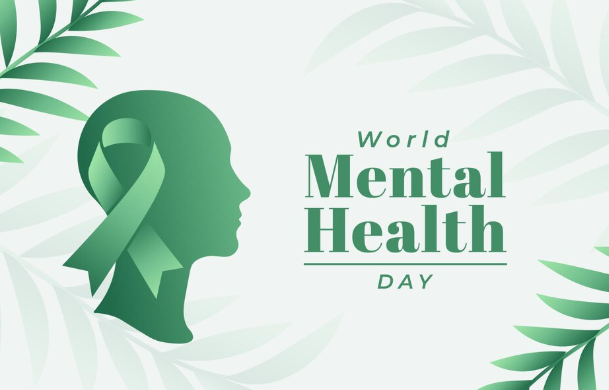
The color green is commonly associated with mental health awareness. It is often used in ribbons, posters, campaigns, and educational materials.
The green mental health awareness ribbon symbolizes support, hope, understanding, and awareness.
People may wear green clothing, display green ribbons, or use green-themed graphics during awareness activities. However, campaign symbols and colors can vary among organizations.
Frequently Asked Questions
When is Mental Health Awareness Month?
Mental Health Awareness Month is observed every year in May, from May 1 through May 31. It is especially prominent in the United States and focuses on mental health education, awareness, and reducing stigma.
When is Mental Health Awareness Month in 2027?
Mental Health Awareness Month in 2027 will take place from May 1 to May 31. It begins on Saturday, May 1, and ends on Monday, May 31.
Who started Mental Health Awareness Month?
Mental Health Awareness Month was established in 1949 by Mental Health America, formerly known as the National Association for Mental Health. Its purpose was to improve public understanding of mental health and mental illness.
National Day Calendar
Is Mental Health Awareness Month the same as World Mental Health Day?
No. Mental Health Awareness Month takes place throughout May, while World Mental Health Day is observed annually on October 10. World Mental Health Day is an international observance.
What is the color for Mental Health Awareness Month?
Green is commonly associated with mental health awareness. The green ribbon is a widely used symbol of support, hope, and understanding for people experiencing mental health challenges.
Conclusion
Mental Health Awareness Month is observed every May to promote understanding, reduce stigma, and encourage people to prioritize emotional well-being. Established in the United States in 1949, the observance has become an important opportunity for communities, schools, workplaces, and healthcare organizations to share mental health information and promote support. In 2027, Mental Health Awareness Month will run from May 1 through May 31. Although May is especially recognized in the United States, mental health awareness remains important throughout the world. World Mental Health Day, observed on October 10, provides another opportunity for global advocacy. By encouraging open conversations, sharing reliable information, and supporting access to professional care, people can help create more compassionate and informed communities.