

Mental Health Technician Jobs: A Complete Career and Employment Guide
Mental health technician jobs offer opportunities for individuals who want to work in healthcare while supporting people experiencing mental health and behavioral challenges. Mental health technicians play an important role in psychiatric hospitals, behavioral health clinics, residential treatment centers, rehabilitation facilities, and other healthcare environments. Their responsibilities often include observing patients, assisting with daily activities, documenting behavior, and supporting treatment plans under the supervision of qualified healthcare professionals.
As awareness of mental health continues to grow, more people are exploring careers in behavioral and psychiatric care. Mental health technician positions can provide valuable patient-care experience and may serve as a starting point for careers in nursing, psychology, counseling, and related healthcare fields. This guide explains mental health technician job responsibilities, qualifications, salary expectations, work environments, job-search strategies, and career advancement opportunities.
What Are Mental Health Technician Jobs?
Mental health technician jobs involve providing direct support to individuals who are experiencing psychiatric conditions, emotional difficulties, or behavioral challenges.
A mental health technician works as part of a healthcare team that may include psychiatrists, psychologists, nurses, social workers, counselors, and other specialists.
The role focuses on patient support, observation, safety, and helping individuals participate in treatment-related activities. Mental health technicians do not independently diagnose psychiatric conditions or prescribe medication.
Job titles may vary by employer, including:
- Mental Health Technician
- Psychiatric Technician
- Behavioral Health Technician
- Mental Health Associate
- Psychiatric Aide
- Behavioral Health Assistant
- Patient Care Technician – Behavioral Health
Although these titles can overlap, their responsibilities and qualification requirements may differ.
Mental Health Technician Job Description
A typical mental health technician job description includes providing supportive care, monitoring patient behavior, maintaining a safe environment, and assisting the clinical team.
Main Job Responsibilities
| Job Responsibility | Description |
| Patient observation | Monitor patient behavior, mood, and general well-being. |
| Daily living support | Assist with meals, hygiene, and routine activities when needed. |
| Safety monitoring | Help maintain a safe and structured care environment. |
| Documentation | Record observations and relevant patient activities. |
| Therapeutic activities | Support recreational, educational, and group activities. |
| Communication | Report concerns to nurses and other healthcare professionals. |
| Treatment assistance | Help patients follow established treatment routines. |
| Crisis support | Follow approved protocols during behavioral emergencies. |
| Confidentiality | Protect patient information and maintain professional boundaries. |
The exact responsibilities depend on the facility, patient population, training, and applicable regulations.
Where Can You Find Mental Health Technician Jobs?
Mental health technicians can work in different healthcare settings. Each environment may offer different responsibilities, schedules, and patient-care experiences.
Psychiatric Hospitals
Psychiatric hospitals provide specialized care for individuals experiencing significant mental health conditions. Technicians may assist with patient observation, daily routines, and treatment-related activities.
Behavioral Health Clinics
Behavioral health clinics offer outpatient services for individuals experiencing emotional, psychological, and behavioral concerns. Technicians may assist with patient coordination and supportive activities.
Residential Treatment Centers
Residential facilities provide structured care for individuals who require ongoing support. Mental health technicians often help patients maintain daily routines and participate in therapeutic programs.
Substance Use Treatment Facilities
Technicians may work in addiction treatment programs, supporting patients during recovery and communicating observations to the clinical team.
Community Mental Health Centers
Community-based facilities provide mental health support outside traditional hospital environments. Technicians may assist with rehabilitation, social skills, and daily functioning.
Long-Term Care Facilities
Some long-term care organizations employ mental health technicians to support residents with psychiatric, behavioral, or cognitive difficulties.
Mental Health Technician Qualifications
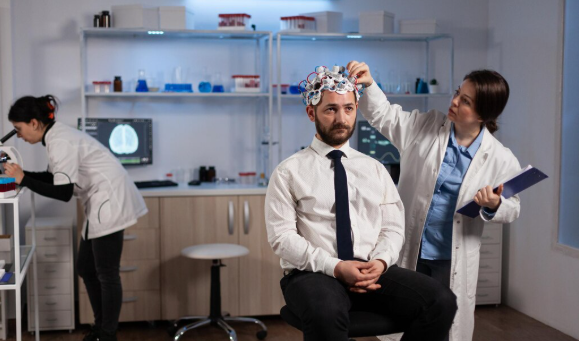
The qualifications required for mental health technician jobs depend on the country, employer, and specific role.
In the United States, psychiatric technician positions commonly require postsecondary education, while psychiatric aide roles may require a high school diploma or equivalent. Some states require psychiatric technicians to hold a license.
Bureau of Labor Statistics+1
In India, employers may consider candidates with qualifications such as:
- Bachelor’s degree in psychology or a related discipline.
- Diploma or certificate in mental health or healthcare.
- Nursing or allied healthcare qualifications for clinical roles.
- Relevant patient-care training or practical experience.
These requirements are not universal. Candidates should check each vacancy’s eligibility criteria and local regulations.
Educational Requirements by Career Level
| Career Level | Typical Qualification |
| Entry-level support role | High school education and employer-required training |
| Mental health technician | Relevant certificate, diploma, or healthcare-related education |
| Psychiatric technician | Formal psychiatric or healthcare training; licensing may apply |
| Senior technician | Relevant education and practical experience |
| Behavioral health specialist | Specialized training or related degree, depending on the position |
Skills Required for Mental Health Technician Jobs
Employers often look for candidates with strong communication skills, emotional maturity, and a patient-centered approach.
Communication Skills
Technicians must communicate clearly with patients and healthcare professionals. Active listening helps them understand patient concerns and report relevant observations.
Empathy and Compassion
Patients may be experiencing distress, fear, confusion, or emotional difficulties. A respectful and compassionate approach can help build trust.
Observation Skills
Mental health technicians should recognize changes in behavior, mood, physical condition, or interaction patterns.
Patience
Some patients may need additional time, encouragement, or assistance. Patience helps technicians provide consistent support.
Teamwork
Mental health care involves collaboration with nurses, doctors, psychologists, and other professionals.
Crisis Management
Technicians may need training in de-escalation, patient safety, and emergency response procedures.
Documentation Skills
Accurate, objective, and timely documentation helps healthcare teams coordinate patient care.
Mental Health Technician Jobs Salary
Salary is an important consideration when applying for mental health technician jobs. Earnings depend on location, experience, qualifications, work setting, and responsibilities.
Mental Health Technician Salary in India
According to Indeed’s salary data updated on January 14, 2026, the reported average salary for a mental health technician in India was approximately ₹25,442 per month. The estimate was based on only three reported salaries, so it should be interpreted cautiously.
Indeed
| Experience Level | Illustrative Monthly Salary |
| Entry-level | ₹15,000–₹22,000 |
| Early-career | ₹20,000–₹30,000 |
| Experienced | ₹30,000–₹40,000+ |
| Senior or specialized role | Varies by employer |
These ranges are broad estimates rather than official salary bands. Actual salaries may differ considerably.
Mental Health Technician Salary in the United States
The U.S. Bureau of Labor Statistics reported a median annual wage of $45,130 for psychiatric technicians in May 2025. The median wage for psychiatric aides was $44,910.
Bureau of Labor Statistics
| Occupation | Median Annual Salary |
| Psychiatric Technician | $45,130 |
| Psychiatric Aide | $44,910 |
These U.S. figures are not directly comparable with Indian salaries because costs, healthcare systems, and employment conditions differ.
Mental Health Technician Jobs for Freshers
Freshers may be able to find entry-level opportunities in mental health and behavioral healthcare, depending on their qualifications and the employer’s requirements.
Potential job titles include:
- Mental Health Assistant
- Behavioral Health Technician
- Psychiatric Aide
- Psychology Assistant
- Patient Support Assistant
- Residential Care Assistant
- Behavioral Therapy Assistant
Candidates with psychology, nursing, social work, or healthcare-related education may find relevant opportunities. Some employers also provide on-the-job training.
How Freshers Can Improve Their Chances
- Complete a relevant education or training program.
- Learn basic mental health awareness and patient confidentiality.
- Develop communication, observation, and documentation skills.
- Gain supervised practical experience where available.
- Complete CPR or first-aid training if required by employers.
- Prepare a resume highlighting relevant coursework, internships, and volunteer experience.
- Apply to hospitals, clinics, residential centers, and rehabilitation facilities.
Freshers should be careful to apply only for roles that match their training and permitted scope of practice.
Mental Health Technician Jobs in India
Mental health technician and related support roles can be found in different cities and healthcare organizations across India. Job listings may use different titles, so searching related terms can help identify more opportunities.
Common Employment Locations
Potential locations for mental health and behavioral health employment include:
| City | Possible Employment Settings |
| Bengaluru | Mental health clinics, hospitals, behavioral therapy centers |
| Pune | Psychiatric hospitals, counseling centers, rehabilitation facilities |
| Delhi NCR | Hospitals, clinics, residential care programs |
| Mumbai | Psychiatric services, healthcare facilities, therapy centers |
| Chennai | Hospitals, psychology clinics, child development centers |
| Hyderabad | Behavioral therapy centers, psychiatric hospitals |
| Jaipur | Hospitals, mental health clinics, rehabilitation services |
This table identifies possible employment markets, not confirmed current vacancies. Job availability changes frequently.
Related Job Search Terms
Candidates searching in India may also use these terms:
- Mental health technician vacancy
- Psychiatric technician jobs
- Mental health assistant jobs
- Behavioral health technician jobs
- Psychology assistant jobs
- Mental health support worker jobs
- Psychiatric hospital jobs
- Behavioral therapist assistant jobs
Searching multiple job titles can help candidates find roles with similar duties.
Mental Health Technician Jobs in the United States
The United States has employment opportunities for psychiatric technicians and aides in hospitals, outpatient facilities, residential treatment centers, and social assistance organizations.
According to the U.S. Bureau of Labor Statistics, employment for psychiatric technicians is projected to grow by 22% from 2025 to 2035. Combined employment for psychiatric technicians and aides is projected to grow by 18% during the same period.
Bureau of Labor Statistics
Some U.S. employers may require:
- A high school diploma or equivalent for aide positions.
- A postsecondary certificate for psychiatric technician positions.
- State licensing where applicable.
- CPR or Basic Life Support certification.
- Background checks and employer-specific training.
- Relevant patient-care experience.
Requirements vary by state, so candidates should confirm licensing and educational criteria before applying.
How to Apply for Mental Health Technician Jobs

A structured job-search process can help candidates identify suitable vacancies and prepare stronger applications.
Prepare a Professional Resume
Include your education, certifications, internships, relevant experience, and practical skills. Highlight communication, empathy, observation, patient support, and documentation abilities.
Search Job Portals
Candidates can explore job platforms such as Indeed, LinkedIn, and other regional employment websites. Hospital and healthcare organization career pages may also list vacancies.
Review the Job Description
Check the required education, responsibilities, shift schedule, salary, experience, and certification requirements.
Submit Your Application
Customize your resume to match the role. Include relevant training and experience, but avoid claiming clinical skills or certifications you do not possess.
Prepare for the Interview
Be ready to discuss patient confidentiality, professional boundaries, teamwork, communication, and how you would respond to stressful situations according to workplace procedures.
Verify the Employer
Confirm the organization is legitimate. Avoid paying unofficial recruitment fees or sharing sensitive personal information with unverified recruiters.
Mental Health Technician Interview Questions
Employers may ask questions to evaluate a candidate’s communication skills, judgment, empathy, and understanding of patient care.
| Interview Question | What the Employer Evaluates |
| Why do you want to become a mental health technician? | Motivation and interest in mental health care |
| How would you respond to an upset patient? | Patience and de-escalation awareness |
| How do you maintain patient confidentiality? | Professional ethics |
| What would you do if you noticed a sudden behavioral change? | Observation and reporting skills |
| How do you manage stressful situations? | Emotional resilience |
| How would you work with nurses and other healthcare professionals? | Teamwork |
| What does patient-centered care mean to you? | Respect and compassion |
Candidates should emphasize that they would follow facility procedures, maintain safety, and report concerns to qualified clinical staff.
Advantages and Challenges of Mental Health Technician Jobs
Mental health technician jobs can be rewarding, but candidates should understand both the benefits and demands of the profession.
| Advantages | Challenges |
| Meaningful work supporting patients | Emotionally demanding situations |
| Opportunities to gain healthcare experience | Potentially stressful work environment |
| Entry-level opportunities in some facilities | Shift work, including nights or weekends |
| Career pathways into other healthcare professions | Physical demands of patient care |
| Development of communication and teamwork skills | Need for ongoing training and professional boundaries |
The U.S. Bureau of Labor Statistics notes that psychiatric technicians and aides may work nights, weekends, and holidays, and that the occupation can involve physical demands and workplace injury risks.
Bureau of Labor Statistics
Career Growth After Mental Health Technician Jobs
Mental health technician experience can be a foundation for further education and career development.
Potential career paths include:
| Career Option | Additional Requirements |
| Senior Mental Health Technician | Experience and employer-specific qualifications |
| Psychiatric Technician | Relevant training and licensing where required |
| Mental Health Nurse | Nursing education and professional registration |
| Behavioral Health Specialist | Specialized training or related education |
| Clinical Psychologist | Advanced psychology education and required professional credentials |
| Counselor | Relevant counseling education and applicable licensure |
| Healthcare Supervisor | Experience and leadership skills |
Progression into these roles generally requires additional qualifications. Working as a technician does not automatically qualify someone to practice as a nurse, psychologist, or counselor.
Frequently Asked Questions
What are mental health technician jobs?
Mental health technician jobs involve supporting individuals with mental health or behavioral challenges. Duties may include observing patients, assisting with daily activities, documenting behavior, supporting treatment routines, and maintaining a safe environment.
Can freshers apply for mental health technician jobs?
Yes, some employers offer entry-level positions to freshers. Requirements vary, and candidates may need a relevant certificate, diploma, degree, or healthcare training. Related roles such as psychiatric aide or mental health assistant may also be suitable.
What is the salary of a mental health technician in India?
Indeed reported an average salary estimate of ₹25,442 per month in India, updated in January 2026. However, this was based on a small sample of reported salaries. Actual pay depends on the employer, city, experience, and qualifications.
Indeed
Where can I apply for mental health technician jobs?
Candidates can search hospital career pages, psychiatric clinics, residential treatment facilities, rehabilitation centers, and job portals. Search terms such as “psychiatric technician,” “behavioral health technician,” and “mental health assistant” may help locate related positions.
Is mental health technician a good career?
It can be a suitable career for people who are compassionate, patient, observant, and interested in healthcare. The role offers practical experience and possible career advancement, but it also requires emotional resilience, professional boundaries, and appropriate training.
Conclusion
Mental health technician jobs provide opportunities to contribute to patient care while developing valuable healthcare skills. These professionals support individuals experiencing mental health and behavioral challenges through observation, daily living assistance, documentation, therapeutic activities, and collaboration with clinical teams.
The profession can be an appealing option for freshers and experienced healthcare workers, depending on their education and qualifications. Job opportunities exist across psychiatric hospitals, behavioral health clinics, residential treatment facilities, and rehabilitation centers. Salary and eligibility requirements vary by location and employer, making it important to review job descriptions carefully. With relevant training, practical experience, and continued learning, mental health technicians can build meaningful careers and explore further opportunities in mental health and healthcare services.