
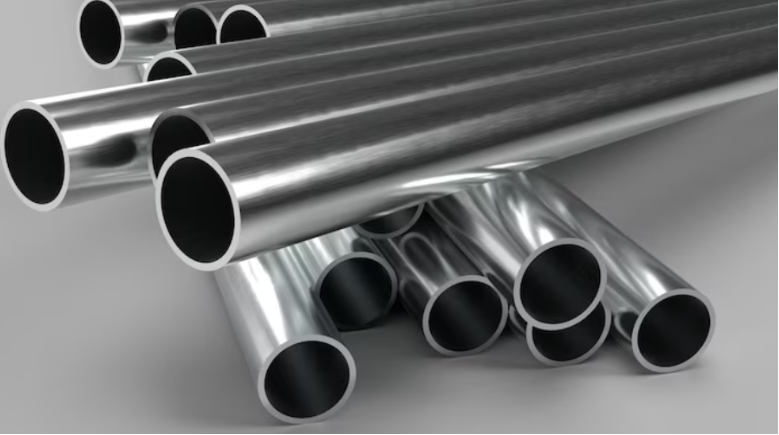
How to Find Reliable Nickel Alloy Pipes for Your Industrial Needs
Choosing the right piping material is important for maintaining safety, performance, and long-term reliability in industrial operations. Nickel alloys are widely used in demanding environments because they can offer strong resistance to corrosion, heat, and harsh chemicals. However, not every product has the same quality or performance. Understanding what to look for can help you select a reliable nickel alloy pipe for your specific industrial needs.
Understand Your Industrial Requirements
Before purchasing any piping product, clearly understand how and where it will be used. Consider factors such as operating temperature, pressure, fluid type, corrosion exposure, and expected service life. Different industrial applications may require different nickel alloys with specific properties.
A nickel alloy pipe should be selected according to the conditions it will face during operation. For example, applications involving aggressive chemicals may require excellent corrosion resistance, while high-temperature systems may need materials that maintain strength under extreme heat.
Choose the Right Nickel Alloy Grade
Nickel alloys are available in several grades, and each grade has its own characteristics. Some are designed for strong resistance to acids and other corrosive substances, while others perform well in high-temperature or high-pressure environments.
Research the properties of the available grades and compare them with your project requirements. Choosing the correct nickel alloy pipe grade can help reduce maintenance problems and improve the reliability of your entire piping system.
Check Material Quality and Specifications
Quality should always be a major consideration when purchasing industrial pipes. Ask the supplier for detailed material specifications, including dimensions, wall thickness, alloy grade, and applicable manufacturing standards.
Reliable products should also come with proper documentation and material test certificates when required. These records can help you verify that the nickel alloy pipe meets the required specifications and is suitable for your intended application.
Work With a Trusted Supplier
The supplier you choose can have a significant impact on the quality of your purchase. Look for a supplier with experience in industrial piping and a strong understanding of nickel alloys. A dependable supplier should be able to answer technical questions and provide accurate information about the products they offer.
It is also useful to check the supplier’s reputation, product range, quality-control practices, and customer service. Working with an experienced supplier makes it easier to find a nickel alloy pipe that matches your technical and operational requirements.
Consider Durability and Long-Term Performance
The initial purchase price should not be the only factor when choosing industrial piping. A low-cost product may become expensive if it requires frequent replacement or maintenance. Instead, consider durability, corrosion resistance, operating conditions, and expected service life.
A high-quality nickel alloy pipe can provide dependable performance in challenging environments and may help reduce unexpected repairs and downtime. Looking at the total long-term value can therefore lead to a better purchasing decision.
Conclusion
Finding reliable nickel alloy pipes requires careful attention to alloy grade, material quality, specifications, supplier reputation, and operating conditions. By understanding your industrial requirements and working with a trustworthy supplier, you can select a nickel alloy pipe that provides the strength, durability, and corrosion resistance your system needs. Careful selection at the beginning can support safer operations, better efficiency, and dependable long-term performance.